JAPAN.GG // DESTINATION SPIRIT
LOADING: 関東 // KANTŌ // THE WORLD'S GREATEST CITY
JAPAN.GG
35°N // 139°E // 37 MILLION PEOPLE // THE ELECTRIC PLAIN
関東
KANTŌ | 35.6762°N 139.6503°E | 32,424 KM²
TOKYO: --:--:-- | JST UTC+9
JAPAN.GG | 2026
JAPAN.GG

DESTINATION SPIRIT // JAPAN.GG // 2026 EDITION

KANTŌ

THE WORLD'S GREATEST CITY REGION

37 MILLION PEOPLE // 13 METRO LINES // TOKYO // NIKKO // KAMAKURA // HAKONE

▼ SCROLL TO EXPLORE ▼

37M
POPULATION
Greater Tokyo — world's largest metro
13
METRO LINES
Tokyo Metro + Toei subways
285
STATIONS
Within Tokyo's 23 Special Wards
7
PREFECTURES
Tokyo · Kanagawa · Saitama · Chiba · Ibaraki · Tochigi · Gunma
3,776M
FUJI HEIGHT
Visible from Tokyo on clear winter days
68K
RESTAURANTS
More Michelin stars than any city on Earth
#1
SAFEST MEGACITY
World's safest major city
1603
EDO FOUNDED
Tokugawa Ieyasu made Edo capital
● SCROLL STORY — THE KANTŌ REGION
関東
// CHAPTER 01 //

THE ELECTRIC PLAIN

The Kantō Plain is the largest flat land in Japan — a wide basin of rivers, rice fields, and megacity sprawl that stretches from the Pacific coast to the mountains. Seven prefectures surround its core, each with a distinct identity. At its centre: Tokyo. The standard against which all cities are measured.

7
PREFECTURES
42M
TOTAL POPULATION
32K
KM² AREA
🗾
東京
// CHAPTER 02 //

TOKYO — INFINITE DEPTH

Tokyo is not simply a city. It is a civilisation in city form. The trains arrive to the second. The streets are immaculate. The food — from ¥600 standing ramen to ¥40,000 kaiseki — is extraordinary. From Harajuku to Akihabara, Yanaka to Ginza, each neighbourhood is a universe unto itself.

37M
POPULATION
23
SPECIAL WARDS
49S
AVG TRAIN DELAY
🌆
// CHAPTER 03 //

THE WORLD'S FOOD CAPITAL

More Michelin stars than Paris, New York, and London combined. But the genius of Tokyo's food culture isn't fine dining — it's the ¥700 bowl of tensoba at a counter with six seats, the Tsukiji outer market tuna hand roll at 6am, the depachika basement food halls where 80 specialist vendors compete for perfection.

200+
MICHELIN STARS
68K
RESTAURANTS
¥600
FINEST RAMEN
🍜

HOVER TO EXPLORE

関東の七つの県 — HOVER / TOUCH EACH PREFECTURE TO REVEAL ITS SPIRIT
東京
01
🌆
TOKYO
東京 とうきょう
37 MILLION. 23 WARDS. INFINITE DEPTH. THE STANDARD AGAINST WHICH ALL CITIES ARE MEASURED.

Tokyo is not simply a city — it is a civilisation in city form. The most populous metropolitan area on Earth runs with precision that no other city has replicated. The trains arrive to the second. The food — at every price point — is extraordinary.

🚇
TOKYO METRO — 13 LINES, 285 STATIONSThe most efficient, cleanest, and most punctual mass transit network ever built. Average delay: 49 seconds. Day pass ¥600.
🍜
WORLD'S GREATEST FOOD CITYMore Michelin stars than Paris, New York and London combined. From ¥600 ramen to ¥40,000 kaiseki.
🏮
EDO LAYER — STILL PRESENTYanaka, Kagurazaka, the Nezu Shrine, Senso-ji in Asakusa — the old city survives in patches under the neon.
SHIBUYA CROSSINGAKIHABARASHINJUKUHARAJUKUASAKUSA
神奈川
02
⛩️
KANAGAWA
神奈川 かながわ
YOKOHAMA · KAMAKURA · HAKONE — JAPAN'S INTERNATIONAL PORT, ANCIENT WARRIOR CAPITAL, MT. FUJI ONSEN COUNTRY.

Three of Japan's most important destinations in a single prefecture. Yokohama's Chinatown, Kamakura's 13.35m bronze Buddha, and Hakone's volcanic onsen with Mt. Fuji views.

🗿
KAMAKURA DAIBUTSU — 1252 ADA bronze Buddha seated in the open air since its hall was destroyed by a 1498 tsunami. Enter the hollow statue for ¥20.
🗻
HAKONE — ONSEN AND FUJIVolcanic terrain, sulfur vents, Lake Ashi ropeway, and ryokan facing Mt. Fuji. 90min from Shinjuku by Romancecar.
KAMAKURAHAKONEYOKOHAMAMT. FUJI VIEWS
埼玉
03
🏮
SAITAMA
埼玉 さいたま
LITTLE EDO. FESTIVAL COUNTRY. GATEWAY TO THE JAPANESE ALPS.

Kawagoe — "Little Edo" — preserves Japan's finest Edo townscape just 30 minutes from Ikebukuro. The Chichibu highlands offer mountain festivals and dramatic scenery.

🏮
KAWAGOE — LITTLE EDOBlack clay kura storehouses, the Toki no Kane bell tower, candy lane (Kashiya Yokocho), and Kita-in Temple with 540 stone statues.
🏔️
CHICHIBU NIGHT FESTIVALJapan's 3 greatest float festivals — illuminated yatai proceed through the city to midnight fireworks each December 2–3.
KAWAGOELITTLE EDOCHICHIBUNIGHT FESTIVAL
千葉
04
✈️
CHIBA
千葉 ちば
JAPAN'S GATEWAY. PACIFIC COAST. NARITA TEMPLES. BOSO SURF COUNTRY.

Where most visitors first set foot — Narita Airport. But beyond it: Naritasan Shinshoji Temple, the Pacific Boso Peninsula, and Hitachi Seaside Park's 4.5 million blue nemophila flowers.

⛩️
NARITASAN SHINSHOJI TEMPLE12 million visitors annually — second only to Senso-ji in Kantō. 800-year-old Shingon temple with eel restaurant approach.
🌸
HITACHI SEASIDE PARK4.5 million baby-blue nemophila flowers carpet Miharashi Hill in April–May. Autumn turns the same hill entirely red with kochia.
NARITANEMOPHILABOSO PENINSULADISNEYLAND
茨城
05
🌸
IBARAKI
茨城 いばらき
KAIRAKUEN — ONE OF JAPAN'S THREE GREAT GARDENS. NATTO COUNTRY. PACIFIC LAKE.

Kantō's best-kept secret. Kairakuen's 3,000 plum trees peak in late February. Lake Kasumigaura offers 180km of flat cycling. Ibaraki is also the origin of natto — Japan's most divisive food.

🌸
KAIRAKUEN — PLUM GARDENOne of Japan's three great landscape gardens. 3,000 plum trees, 100 varieties, free entry most days. 90min from Ueno.
🚴
KASUMIGAURA CYCLING180km circumference of Japan's second-largest lake with a dedicated flat cycling path through rice fields and lotus ponds.
KAIRAKUENPLUM BLOSSOMSKASUMIGAURANATTO
栃木
06
⛩️
TOCHIGI
栃木 とちぎ
NIKKO TOSHO-GU. KEGON FALLS. ASHIKAGA WISTERIA. THE MOUNTAIN KINGDOM.

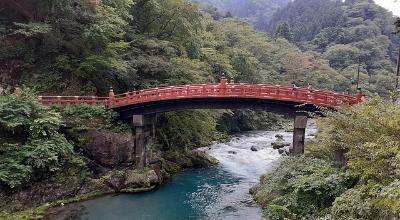
Nikko — one of Japan's most extraordinary UNESCO World Heritage sites. The three wise monkeys were carved here. Kegon Falls (97m) and Lake Chuzenji add natural drama. Ashikaga Flower Park's wisteria is the most photographed botanical event in Japan's interior.

⛩️
NIKKO TOSHO-GU — UNESCO WHS508 buildings, gold leaf, lacquer, carved mythological beasts and the Yomeimon Gate with 508 separate relief carvings. Built 1634–36.
🌸
ASHIKAGA WISTERIA — LATE APRILA 150-year-old wisteria tree spreading 1,000m² of cascading purple, white, and pale pink. Illuminated at night.
NIKKOUNESCOWISTERIAKEGON FALLS
群馬
07
♨️
GUNMA
群馬 ぐんま
JAPAN'S BEST ONSEN TOWN. SILK ROAD TO EUROPE. MOUNTAIN GORGES.

Kantō's wild northwestern corner. Kusatsu Onsen sits at 1,156m — Japan's most prestigious hot spring, ranked #1 for over 30 consecutive years. The Tomioka Silk Mill (UNESCO WHS) tells how Meiji Japan modernised on silk.

♨️
KUSATSU ONSEN — JAPAN'S FINESTpH 2 acidic sulphur water at 50–60°C. The Yubatake discharges 32,300 litres per minute. Free public baths available 24 hours.
🏞️
MINAKAMI ADVENTUREJapan's premier white-water rafting — Tone River Grade 3–4 rapids. Bungee, canyoning, kayaking, and winter ski resorts.
KUSATSU ONSENTOMIOKA SILKUNESCOMINAKAMI

TOKYO DISTRICTS

東京の街 // HOVER TO EXPLORE EACH DISTRICT'S SOUL
🚦
SHIBUYA
渋谷 // THE CROSSROADS OF THE WORLD
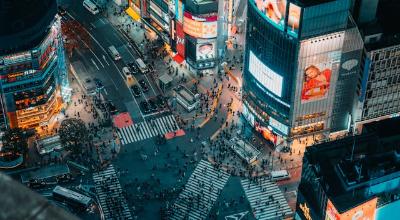
The world's most famous pedestrian crossing — 3,000 people cross simultaneously. Shibuya 109, Center-gai, Scramble Square observatory (230m views), the loyal dog Hachiko's statue, and the Nonbei-dori lane bars.
SCRAMBLE CROSSINGSHIBUYA 109OBSERVATORY
🌆
SHINJUKU
新宿 // EVERYTHING, ALL AT ONCE
The busiest train station on Earth (3.6M daily), neon forest of pachinko parlours and izakaya, Shinjuku Gyoen park (1,600 cherry trees), Kabukicho entertainment district, Golden Gai (250 tiny bars in 6 alleys), Omoide Yokocho yakitori alley.
BUSIEST STATIONGOLDEN GAIGYOEN PARK
🎮
AKIHABARA
秋葉原 // ELECTRIC TOWN
Global capital of electronics, anime, gaming, and otaku culture. Yodobashi Camera (8 floors), retrogame shops, maid cafés, anime figures, vintage Famicom cartridges, DIY electronics on the backstreets. The pedestrian zone on Chuo-dori closes Sundays.
ELECTRONICSANIMERETRO GAMES
⛩️
ASAKUSA
浅草 // EDO'S HEARTBEAT
Tokyo's most historically intact shitamachi. Senso-ji Temple (645 AD, 30M visits/year), Nakamise-dori craft shopping, rickshaws, kimono rental, the Sumida River sunset, and Tokyo Skytree (634m) visible from every street.
SENSO-JITOKYO SKYTREERICKSHAWS
🌸
HARAJUKU
原宿 // FASHION'S EPICENTRE
Two Harajukus in parallel: Takeshita-dori (youth fashion, crepe stalls, kawaii overload) and Omotesando (architect flagships by Toyo Ito, Herzog & de Meuron). Meiji Jingu Shrine surrounded by 120,000 trees in 700,000m² of forest.
TAKESHITA-DORIOMOTESANDOMEIJI JINGU
🍺
ROPPONGI
六本木 // ART AND NIGHTLIFE
Tokyo's finest art museum district (Mori Art Museum, National Art Center, Suntory Museum) and the city's most international nightlife zone. Roppongi Hills observatory at 270m offers Tokyo's clearest daytime panorama.
MORI ART MUSEUMROPPONGI HILLSNIGHTLIFE
🏺
YANAKA
谷中 // TOKYO'S SOUL VILLAGE
Tokyo's most authentic surviving shitamachi — survived the 1923 earthquake and 1945 firebombing by geographic luck. Yanaka Ginza shopping street, the vast cemetery with Tokugawa graves, wooden Meiji-era temples, and tiny art galleries.
YANAKA GINZAOLD SHITAMACHIMEIJI TEMPLES
🍷
SHIMOKITAZAWA
下北沢 // TOKYO'S VILLAGE
Tokyo's bohemian counterpoint — second-hand clothing, independent live music venues, craft coffee, curry restaurants, and tiny theatre stages. Keio Inokashira Line from Shibuya (3 stops, 4 minutes). Entirely devoid of chains.
VINTAGE CLOTHINGLIVE MUSICINDIE THEATRE
🏦
GINZA
銀座・日本橋 // THE OLD MONEY DISTRICT
Tokyo's most prestigious shopping street — Renzo Piano Hermès, Chanel, Uniqlo's 12-floor global flagship. Nihonbashi, Japan's literal kilometre zero — Mitsukoshi (1673, Japan's first department store) and the Tokyo Art Aquarium.
RENZO PIANO HERMÈSMITSUKOSHI 1673KM-0

WORLD'S BEST TRANSIT

東京地下鉄 // 13 LINES // 285 STATIONS // AVG DELAY 49 SEC // THE GOLD STANDARD
13
SUBWAY LINES
285
STATIONS
8M+
DAILY RIDERS
49S
AVG DELAY
GINZA LINE
銀座線 // G // TOKYO METRO // ASIA'S FIRST SUBWAY 1927
Asakusa to Shibuya, 19 stations. Passes Ueno, Ginza, and Omotesando. Tokyo's oldest line and still one of the most essential.
ASAKUSA → UENO → GINZA → OMOTESANDO → SHIBUYA
MARUNOUCHI LINE
丸ノ内線 // M // TOKYO METRO
Red line connecting Ikebukuro to Ogikubo with a branch, 28 stations. Passes Tokyo Station, Ginza, and Shinjuku. One of the busiest lines.
IKEBUKURO → SHINJUKU → GINZA → TOKYO STN
CHIYODA LINE
千代田線 // C // TOKYO METRO
Critical for Harajuku visitors — stops at Meiji-Jingumae. Runs from Ayase through Otemachi and south to Yoyogi-uehara.
MEIJI-JINGUMAE → OMOTESANDO → OTEMACHI
HIBIYA LINE
日比谷線 // H // TOKYO METRO
North-south axis from Kita-senju to Naka-meguro, 21 stations. Essential for Roppongi, Ebisu, and Nakameguro.
UENO → AKIHABARA → ROPPONGI → NAKAMEGURO
OEDO LINE (TOEI)
大江戸線 // E // TOEI SUBWAY
Ring-and-spoke line looping through central Tokyo, 38 stations. Critical for Shinjuku west exit, Roppongi, and Kiyosumi-Shirakawa specialty coffee district.
SHINJUKU-NISHIGUCHI → ROPPONGI → TSUKISHIMA
YAMANOTE (JR — THE LOOP)
山手線 // JR EAST // YOUR PRIMARY ORBIT
The 34.5km JR loop encircling Tokyo's core, 30 stations. Your primary orientation system. Every 3–4 minutes all day. Requires Suica IC card.
SHIBUYA → SHINJUKU → IKEBUKURO → UENO → TOKYO → SHINAGAWA
HANZOMON LINE
半蔵門線 // Z // TOKYO METRO
Diagonal from Shibuya to Oshiage (Tokyo Skytree), 14 stations. Passes Omotesando, Kudanshita, and Jimbocho used bookshop district.
SHIBUYA → OMOTESANDO → KUDANSHITA → OSHIAGE
FUKUTOSHIN LINE
副都心線 // F // TOKYO METRO
Connects Wakoshi to Shibuya with through-service to Yokohama Minatomirai. Essential for Shinjuku-sanchome and Kagurazaka.
IKEBUKURO → SHINJUKU-SANCHOME → SHIBUYA → YOKOHAMA

GOOGLE STREET VIEW

EXPLORE ICONIC TOKYO LOCATIONS BEFORE YOU ARRIVE
SHIBUYA SCRAMBLE CROSSING
📍 SHIBUYA // 35.6595°N 139.7005°E
3,000 people cross simultaneously when all signals turn. Made globally famous by Sofia Coppola's Lost in Translation (2003).
SENSO-JI TEMPLE
📍 ASAKUSA // 35.7148°N 139.7967°E
Tokyo's oldest temple, founded 645 AD. The Kaminarimon Gate, Nakamise-dori shopping street, and five-storey pagoda make this Tokyo's most iconic approach.
AKIHABARA ELECTRIC TOWN
📍 AKIHABARA // 35.7028°N 139.7753°E
The global capital of anime, gaming, and electronics. Neon signs compete for every inch of visual space on Chuo-dori.

EAT EVERYTHING

東京グルメ // MORE MICHELIN STARS THAN PARIS + NYC + LONDON COMBINED
🍜
RAMEN
Tokyo-style shoyu (soy) ramen is the city's signature. Seek Fuunji (tsukemen), Ichiran (solo booths, customisable tonkotsu), or the Shinjuku ramen alley. Queue before 11am.
¥800–1,400 // ALL HOURS
🍣
SUSHI
From Tsukiji outer market hand rolls at dawn (¥200/piece) to Sukiyabashi Jiro Honten (omakase, ¥30,000+, book months ahead). Kaiten (conveyor belt) sushi at Genki Sushi offers mid-quality for ¥120–300/plate.
¥200 – ¥40,000 // EVERY HOUR
🥩
WAGYU BEEF
Kanto's yakiniku (grilled meat) culture is centred in Ginza and Nishi-Shinjuku. Tajima beef courses from ¥8,000; Matsusaka from ¥12,000. Cheaper option: Gyukatsu Motomura (breaded beef cutlet, ¥1,300).
¥1,300 – ¥20,000+
🍱
BENTO & DEPACHIKA
Department store basement food halls (depachika) at Isetan, Takashimaya, and Mitsukoshi are Tokyo's greatest accessible food experience. Takashimaya B2 alone: 80 specialist vendors. Prepared bento: ¥500–3,000.
¥500–3,000 // OPEN DAILY
🍡
STREET FOOD
Harajuku crepes (¥600), Asakusa ningyo-yaki (red bean cakes, ¥200), Tsukiji tamagoyaki (¥350), and yakitori skewers (¥100–200) under Yurakucho tracks — Tokyo's street food scene rewards slow walking.
¥100 – ¥600
🍵
MATCHA & COFFEE
Tokyo's specialty coffee scene rivals Melbourne and Portland. Onibus Coffee (Nakameguro), Bear Pond Espresso (Shimokitazawa), Little Nap Coffee Stand (Yoyogi Park). Matcha: Nakamura Tokichi (Ginza), ¥900 matcha parfait.
¥500 – ¥900

HOW TO PLAN IT

CURATED ITINERARIES — FROM 3 DAYS TO 2 WEEKS
01
EAST TOKYO — EDO FOUNDATION

Begin at Senso-ji before 8am while the incense smoke still hangs. Walk Nakamise-dori, hire a rickshaw, take the Sumida River water bus to Hamarikyu Garden. Afternoon: Tsukiji outer market, then Ginza window-shopping. Evening: Omoide Yokocho (Memory Lane) yakitori under Shinjuku tracks.

SENSO-JITSUKIJIGINZAOMOIDE YOKOCHO
02
WEST TOKYO — NEON & FASHION

Harajuku: Meiji Jingu Shrine forest at 9am, then Takeshita-dori. Walk Omotesando's architect flagships to Aoyama. Lunch at Omotesando Hills. Afternoon: Shibuya Scramble observation deck, then the crossing at dusk. Evening: Golden Gai in Shinjuku — any of the 250 bars.

MEIJI JINGUHARAJUKUSHIBUYA CROSSINGGOLDEN GAI
03
KAMAKURA DAY TRIP

Take the 7:30am JR Yokosuka Line from Tokyo Station (55min, ¥940). Walk the Daibutsu Hiking Trail from Kitakamakura through cedar forest to the Great Buddha. Lunch at a tori-meshi (chicken rice) restaurant near Hase Station. Take the Enoden electric train to Enoshima for the sunset. Return by Odakyu express via Fujisawa (90min).

KITAKAMAKURADAIBUTSUENOSHIMA
1–3
TOKYO CORE

Days 1–3 as above. Add: Akihabara evening (retro game hunting), Yanaka morning walk (shitamachi life), TeamLab Borderless digital art immersion at Azabudai Hills.

ALL ABOVEAKIHABARAYANAKATEAMLAB
4
NIKKO — WORLD HERITAGE MOUNTAINS

Take the Tobu Nikko Limited Express from Asakusa (2hrs, ¥2,720). Tosho-gu Shrine complex — arrive before tour groups at 8am. Yomeimon Gate (508 carved figures), the three wise monkeys' stable, Ieyasu's mausoleum. Afternoon: Kegon Falls (97m waterfall, ¥550 elevator to base). Return via Spacia X.

TOSHO-GUYOMEIMON GATEKEGON FALLS
5
HAKONE — MT. FUJI ONSEN

Romancecar express from Shinjuku (90min, ¥4,300). Hakone Open Air Museum (Picasso Pavilion, Henry Moore, Rodin). Owakudani ropeway over sulfur vents. Lake Ashi cruise with Fuji views. Overnight ryokan — Gora Kadan or Fujiya Hotel.

OPEN AIR MUSEUMOWAKUDANILAKE ASHIRYOKAN
6
YOKOHAMA — INTERNATIONAL PORT

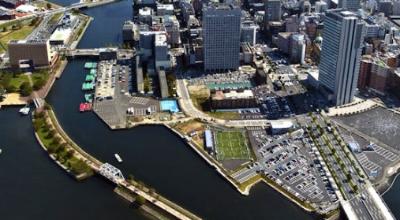
From Hakone to Yokohama by Odakyu (45min). Chinatown: xiaolongbao at Manchinro, Kanteibyo shrine, and the narrow alleys. Minato Mirai waterfront: Landmark Tower Sky Garden (296m), the Akarenga brick warehouses, and the Cup Noodles Museum. Evening: Yokohama Noodle Museum or craft beer at Thrash Zone.

CHINATOWNLANDMARK TOWERAKARENGA
7
TOKYO FINAL — MUSEUMS & TWILIGHT

Mori Art Museum (53rd floor, Roppongi Hills) — Tokyo City View observatory. Lunch in Roppongi Hills. Afternoon: Shimokitazawa vintage record and clothing browse. Evening: Ebisu Garden Place illumination and Yebisu Beer Museum. Final dinner in Nakameguro by the canal with lanterns.

MORI ART MUSEUMSHIMOKITAZAWANAKAMEGURO
1–7
7-DAY ITINERARY ABOVE

Complete all 7 days as above. The extra week allows depth that rushed visitors entirely miss.

ALL 7-DAY STOPS
8
KAWAGOE — LITTLE EDO

Tobu Tojo Line from Ikebukuro (30min, ¥480). Kura storehouses, Toki no Kane bell tower, Kashiya Yokocho candy lane, Kita-in Temple and its 540 unique rakan stone statues. Return via Seibu line through Hanno for the autumn landscape.

KURA DISTRICTCANDY LANEKITA-IN
9–10
KUSATSU ONSEN — 2 NIGHTS

JR Shinkansen to Takasaki, then bus to Kusatsu (total 2.5hrs, ¥5,800). Yubatake hot spring field at night, the Netsu-no-Yu yumomi ceremony (daily, ¥600), Sainokawara outdoor bath complex at dusk. Soak, sleep, repeat. Return day 10.

YUBATAKEYUMOMISAINOKAWARA
11
KAIRAKUEN — PLUM BLOSSOMS

JR Ltd Express Hitachi from Ueno to Mito (75min, ¥3,800). Kairakuen garden (3,000 plum trees, free entry), Kobuntei pavilion, and the Tokiwa Park walk along the Senba Lake. Return evening.

KAIRAKUENKOBUNTEISENBA LAKE
12–14
TOKYO DEEP DIVE

The neighbourhoods visitors always skip: Koenji (vintage shops, indie music, the best second-hand record scene in Tokyo), Kagurazaka (geisha district, French-Japanese fusion, hidden courtyards), and Kiyosumi-Shirakawa (Tokyo's specialty coffee mecca, the Museum of Contemporary Art, and the oldest Buddhist garden). Final night: Shinjuku rooftop bar at midnight.

KOENJIKAGURAZAKAKIYOSUMI-SHIRAKAWAMOT

GET READY

EVERYTHING YOU NEED TO KNOW BEFORE YOU ARRIVE
💳
MONEY & IC CARDS
  • Get a Suica or Pasmo IC card at any station on arrival (or load to Apple/Google Wallet beforehand)
  • Load ¥5,000 — covers trains, buses, taxis, and konbini convenience stores
  • Most restaurants still prefer cash — carry ¥5,000–10,000 daily
  • 7-Eleven ATMs accept international Visa/Mastercard, 24 hours
📱
CONNECTIVITY
  • Buy a data SIM at Narita/Haneda on arrival — IIJmio or HIS Mobile, ¥2,000 for 30 days
  • eSIM options: Ubigi, Airalo, or Holafly — activate before boarding
  • Google Maps + Google Translate (camera mode) = the essential app pair
  • Tokyo Metro Navigation app for real-time platform info
🏨
WHERE TO STAY
  • Budget (¥4,000–8,000): Capsule hotels — Nine Hours Shinjuku, The Millennials Shibuya
  • Mid (¥10,000–25,000): Shinjuku Granbell, Trunk Hotel Shibuya, Trunk Hotel Cat Street
  • Luxury (¥40,000+): Park Hyatt Tokyo (Lost in Translation), Aman Tokyo, The Okura
  • Best locations: Shinjuku (transit hub), Shibuya (nightlife), Asakusa (old Tokyo feel)
ARRIVAL & TRANSPORT
  • Narita → Tokyo: Narita Express (N'EX) — 50–90 min, ¥3,070 to major stations
  • Haneda → Tokyo: Keikyu Line or Tokyo Monorail — 30min, ¥600–750
  • Japan Rail Pass: Recommended only if leaving Tokyo for 3+ days (Kyoto, Osaka, Hakone)
  • Bullet train passes available at major stations — 3-day, 7-day, and 14-day regional options
🌡️
WHEN TO GO
  • Spring (March–May): Sakura season — Tokyo's best. Late March peak bloom.
  • Autumn (Oct–Nov): Koyo (red/gold leaf) — less crowded, perfect weather
  • Summer (June–Aug): Hot and humid (35°C+). Vivid matsuri festival season.
  • Winter (Dec–Feb): Cold, clear, Mt. Fuji visible from Tokyo on calm days
🗣️
LANGUAGE TIPS
  • Google Translate camera mode reads menus, signs and tickets instantly
  • English speakers at all major train stations and tourist information centres
  • Pointing and showing phone screens works everywhere — Japanese hospitality compensates
  • Learn: sumimasen (excuse me/sorry), arigatō gozaimasu (thank you), eigo wa hanasemasu ka? (do you speak English?)
// ESSENTIAL JAPANESE PHRASES — TAP TO COPY //
すみません
SUMIMASEN
Excuse me / Sorry
▶ TAP TO COPY
ありがとうございます
ARIGATŌ GOZAIMASU
Thank you (formal)
▶ TAP TO COPY
これをください
KORE WO KUDASAI
This one, please
▶ TAP TO COPY
いくらですか?
IKURA DESU KA?
How much is it?
▶ TAP TO COPY
おすすめは何ですか?
OSUSUME WA NAN DESU KA?
What do you recommend?
▶ TAP TO COPY
英語は話せますか?
EIGO WA HANASEMASU KA?
Do you speak English?
▶ TAP TO COPY

TRIP BUDGET CALCULATOR

¥—