JAPAN.GG // DESTINATION NORTH
LOADING: 北海道 // HOKKAIDO // FRONTIER NORTH
JAPAN.GG
43°N // 142°E // JAPAN'S FINAL FRONTIER
ESTABLISHING CONNECTION ████████████ 100%
HOKKAIDŌ | 43.2203°N 142.8635°E | 83,454 KM²
SAPPORO LOCAL TIME: --:--:-- | JST UTC+9
JAPAN.GG | 2026 EDITION
❄ SNOW

DESTINATION NORTH // JAPAN.GG // 2026 EDITION

HOKKAIDŌ

JAPAN'S FROZEN FRONTIER

83,454 km² // POWDER CAPITAL OF THE WORLD // UNESCO WILDERNESS // RAMEN KINGDOM

CLASSIFIED
DESTINATION
INTEL
// JPN-HKD //

▼ SCROLL TO EXPLORE ▼

00

QUICK FACTS

83K
KM²
Land Area
(20% of Japan)
5.1M
PEOPLE
Population
(low density)
−15°
CELSIUS
Average winter
low (Sapporo)
15M
TONNES
Snowfall
per season
6
NATIONAL PARKS
Nature
reserves
1972
YEAR
Sapporo
Winter Olympics
2000
RAMEN SHOPS
In Hokkaido
alone
4
SEASONS
Each completely
different
01

2026 EVENTS

CONFIRMED 2026 DATES — PLAN YOUR TRIP
FEB 4 – FEB 11, 2026
SAPPORO SNOW FESTIVAL
📍 ODORI PARK + SUSUKINO + TSUDOME — SAPPORO

Japan's most famous winter event. Giant snow and ice sculptures up to 15m tall dominate a 1.5km stretch of Odori Park, lit until 10pm nightly. Over 2.5 million visitors. Avoid weekend Feb 8–9 for smaller crowds. Artists carve live sculptures on opening day.

FREE ENTRY NIGHT ILLUMINATION
FEB 6 – FEB 11, 2026
ASAHIKAWA WINTER FESTIVAL
📍 ASAHIBASHI — ASAHIKAWA

Hokkaido's second largest winter festival, featuring a colossal ice stage for live performances. Individual ice sculptors compete through the night — one artist spent 40+ hours carving a 3-metre ice dragon. Asahikawa is one of Japan's coldest cities, making for denser, more dramatic sculptures.

FREE ENTRY
FEB 7–8, 2026
SNOW MIKU 2026
📍 SAPPORO

The 17th annual Hatsune Miku winter festival takes over Sapporo during the Snow Festival weekend. A massive celebration of Vocaloid culture, Japan's iconic virtual pop star, and winter-themed art installations. A niche but unmissable experience during peak festival season.

ANIME / GAMING
JAN 24 – MAR 8, 2026
SOUNKYO ICE FALLS FESTIVAL
📍 SOUNKYO GORGE — KAMIKAWA

The narrow walls of Sounkyo canyon freeze entirely, creating otherworldly vertical ice formations. Illuminated nightly from 5pm–9:30pm (weekends from 11am). Entrance ¥1,000. Pair with a stay at the gorge's famous onsen ryokan for maximum impact.

¥1,000 ENTRY
JAN – FEB 2026
LAKE SHIKOTSU ICE FESTIVAL
📍 LAKE SHIKOTSU — CHITOSE

Created from the ultra-pure waters of Lake Shikotsu (one of Japan's clearest lakes), illuminated ice sculptures glow electric blue and violet after dark. Includes ice skating and ice slides. 40 min from New Chitose Airport. Admission ¥500. Bus from airport ¥1,050.

¥500 ENTRY
JAN – FEB 2026
OTARU SNOW LIGHT PATH
📍 CANAL DISTRICT — OTARU

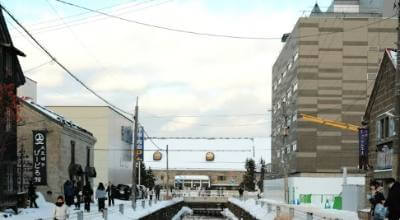
The famous Otaru Canal becomes a dreamscape of snow lanterns lining stone-walled warehouses. The canal's reflection doubles every candle. Combine with the glass-blowing workshops and music box studios that make Otaru unique. One of Japan's most romantic winter scenes.

FREE ENTRY
LIVE STREET VIEW // SAPPORO, HOKKAIDO
VIBE CHECK: SAPPORO
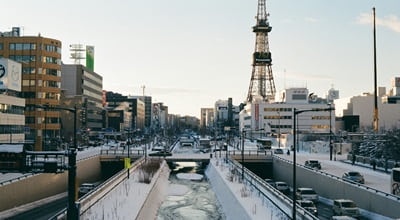
📍 SAPPORO TOWER — THE HEART OF HOKKAIDO'S CAPITAL

Step into Sapporo before you book the flight. The Snow Festival sculptures rise here in February. Drag to explore. Zoom in. This is what you land into.

INTERACTIVE SNOW FESTIVAL SITE 360° VIEW
POPULATION 1.97M // FOUNDED 1869 // JAPAN'S 5TH LARGEST CITY
SAPPORO — CAPITAL OF THE NORTH
📍 CENTRAL HOKKAIDO // 43.0618°N 141.3545°E

Sapporo is where Hokkaido's identity crystallises. A planned grid city built from scratch in 1869 by American agricultural advisors, it became Japan's first Western-style city — wide boulevards, parks, and a brewing tradition that predates modern Tokyo's beer culture. Today it's one of Japan's most liveable cities: compact enough to walk, serious about food, and completely distinct from the frenetic energy of the Kanto megalopolis.

SUSUKINO
One of Japan's three great entertainment districts. 4,000+ bars, restaurants and clubs. The Snow Festival's Susukino site fills it with ice sculptures in February.
NIJO MARKET
Morning seafood market 5 minutes from Sapporo Station. The best kaisendon in the city. Arrive before 9am. King crab legs, sea urchin, scallops — all caught that morning.
MARUYAMA AREA
Sapporo's most prestigious neighbourhood. Maruyama Zoo, Hokkaido Jingu shrine in the forest, boutique coffee shops, late cherry blossoms in early May.
SOUP CURRY MILE
Sapporo invented soup curry in the 1970s. Garaku and Suage are the founding institutions. 300+ restaurants city-wide. Heat levels go to 30+. Start at level 5.
SAPPORO BEER
Japan's oldest beer brand, founded 1876. The original red-star brewery is now a museum and the Sapporo Beer Garden — all-you-can-eat Jingisukan lamb with unlimited draft. "Classic" is only sold in Hokkaido.
OKURAYAMA JUMP
The 1972 Winter Olympics ski jump is now a museum and observation deck. Ride the chairlift to the jump ramp and look down 90 metres at the city spread below. Free entry to grounds.
BASE CAMP FOR ALL HOKKAIDO 1.97M POPULATION YEAR-ROUND
02

WHEN TO VISIT

❄️ WINTER — DEC TO MAR

The legendary reason most of the world comes to Hokkaido. Siberian cold fronts collide with warm Pacific moisture over the Sea of Japan, producing the driest, lightest powder snow on Earth. World-class ski resorts, ice festivals, drift ice in the east, and steaming outdoor onsen.

The Sapporo Snow Festival (Feb 4–11, 2026) is the crown jewel, but the Sounkyo Ice Falls, Otaru Snow Light Path, and Abashiri drift ice cruises are equally extraordinary. Dress in layers; temperatures in Sapporo average −4°C in January but can hit −15°C with wind chill.

SAPPORO TEMP
−4°°C AVG JAN
NISEKO SNOWFALL
15MMETRES/SEASON
SKI SEASON
NOV– MAY (NISEKO)
DAYLIGHT
9hIN JANUARY
CROWD LEVEL
HIGHFESTIVAL WEEKS

🌸 SPRING — APR TO MAY

Hokkaido's cherry blossom season arrives almost a full month after Tokyo, meaning travellers can do both: cherry blossoms in Tokyo in late March, then follow the blooms north to Sapporo in late April and Hakodate in early May. Almost no crowds compared to the rest of Japan.

The star fortress at Goryokaku in Hakodate becomes one of Japan's most iconic cherry blossom spots, while Maruyama Park in Sapporo and the Nijukken Road (a 7km cherry blossom tunnel) in Shintotsukawa are breathtaking. Snow can still fall in April — bring layers.

SAPPORO BLOSSOM
APR 28– MAY 5 (EST.)
TEMPERATURE
10°°C AVG MAY
CROWD LEVEL
LOWBEST VALUE
LATE SNOW
POSSIBLETHROUGH APRIL

🌻 SUMMER — JUN TO AUG

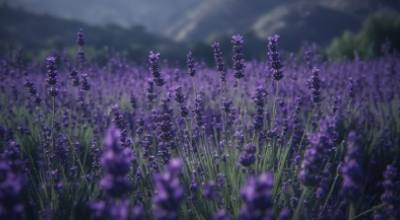
The rest of Japan suffers through humid, sweltering summers while Hokkaido sits at a breezy 20–25°C. No rainy season. Furano's lavender fields peak in July, the Biei patchwork flower fields bloom in waves, and Shiretoko Peninsula opens fully for bear-watching and whale-spotting boat cruises.

Summer is underrated for Hokkaido and arguably the best time to combine outdoor adventure, cycling, and incredible farm-fresh food from the Tokachi dairy region. Sapporo Beer Garden is in full swing, and the seafood — crab, sea urchin, scallops — is at its peak.

TEMPERATURE
22°°C AVG AUG
HUMIDITY
LOWNO RAINY SEASON
LAVENDER PEAK
MIDJULY
CROWD LEVEL
MEDFURANO: HIGH
DAYLIGHT
16hIN JULY

🍂 AUTUMN — SEP TO NOV

Japan's autumn foliage begins earlier in Hokkaido than anywhere else in the country — Asahidake on Daisetsuzan can see first colours in mid-September while Tokyo is still in summer. The entire island transitions through red, gold, and amber through October, with crowds a fraction of Kyoto's.

Autumn is ideal for hiking, cycling, and paddling. Lake Shikotsu glows with reflections. The ramen feels warmer. The onsen are more essential. First snow dusts the peaks in October while valleys still glow with colour — a rare and stunning juxtaposition.

TEMPERATURE
10°°C AVG OCT
FOLIAGE START
MIDSEPTEMBER
CROWD LEVEL
LOWBEST KEPT SECRET
FIRST SNOW
OCTON PEAKS
03

KEY DESTINATIONS

🏙️
SAPPORO
CENTRAL HOKKAIDO // CAPITAL CITY

Hokkaido's beating heart — a proper metropolis with outstanding ramen, beer culture, and the Snow Festival. The Odori Park spine runs east-west through the city. Susukino is one of Japan's liveliest nightlife districts. The Clock Tower and Former Hokkaido Government Building anchor the historic core. Base yourself here to explore the island.

RAMEN ALLEYSNOW FESTIVALBEER MUSEUMSUSUKINONIJO MARKET
⛷️
NISEKO
SOUTHWESTERN HOKKAIDO // SKI CAPITAL

The powder capital of the world. Niseko United spans four resorts on Mount Annupuri with 60+ runs. Average annual snowfall exceeds 15 metres of ultra-dry champagne powder. Luxury chalets, world-class après-ski, and an increasingly high-end international dining scene. Backcountry terrain is exceptional. Season: November to May.

GRAND HIRAFUHANAZONOVILLAGEBACKCOUNTRYMT YOTEI VIEWS
🏮
OTARU
WESTERN HOKKAIDO // CANAL TOWN

A beautifully preserved 19th-century port city 30 minutes from Sapporo. The stone-walled canal warehouses are now glass-blowing studios, music box workshops, and some of Hokkaido's finest sushi restaurants. The morning market serves direct from the fishing boats. Otaru Snow Light Path in February is one of Japan's most romantic events.

CANAL WALKGLASS ARTMUSIC BOXESSUSHISNOW LIGHT PATH
HAKODATE
SOUTHERN HOKKAIDO // GATEWAY CITY

Accessible via Shinkansen from Tokyo. Japan's southernmost point of Hokkaido, where Western colonial architecture meets the world-famous Goryokaku star fortress. Mt Hakodate offers one of Japan's most celebrated night views. The morning market is legendary for fresh seafood bowls. Birthplace of ramen in Japan, specifically the delicate shio (salt) style.

GORYOKAKUSHINKANSEN ACCESSNIGHT VIEWMORNING MARKETSHIO RAMEN
🌸
FURANO / BIEI
CENTRAL HOKKAIDO // FLOWER FIELDS

Two adjacent towns with some of Japan's most spectacular scenery. Farm Tomita in Furano is the undisputed lavender capital of Japan (July peak). Biei's "Patchwork Road" winds past rainbow-coloured flower fields and the otherworldly Blue Pond — an electric cobalt reservoir formed by volcanic minerals, made famous by Apple's macOS screensaver.

LAVENDER (JULY)BLUE PONDPATCHWORK ROADFARM TOMITA
🚢
SHIRETOKO
EASTERN HOKKAIDO // UNESCO WORLD HERITAGE

The ragged edge of Japan — a UNESCO World Heritage Peninsula where the world's southernmost sea drift ice arrives each January. Walk across drift ice in dry suits (Jan–Mar). Brown bear encounters are common on the peninsula's hiking trails (Jun–Oct). Boat cruises spot orcas, Steller sea lions and sperm whales. One of Earth's last truly wild coastlines.

UNESCO SITEDRIFT ICEBROWN BEARSWHALE WATCHING
🦅
KUSHIRO
EASTERN HOKKAIDO // WETLANDS

Gateway to Japan's largest marshland — Kushiro Shitsugen, a vast expanse of reed bogs and winding rivers. Home to the critically rare Japanese Red-Crowned Crane, a national treasure. Winter is best for crane-watching as they gather at feeding grounds. The port produces fresh Pacific saury, scallops, and Pacific cod eaten seconds after being caught.

RED-CROWNED CRANEKUSHIRO WETLANDSROBATAYAKI
🌋
DAISETSUZAN
CENTRAL HOKKAIDO // ROOF OF HOKKAIDO

Japan's largest national park, anchored by Mt Asahidake (2,291m) — Hokkaido's highest peak. Active volcanic steam vents, alpine flowers, and Japan's earliest autumn foliage (from mid-September). The Sounkyo Gorge cuts through sheer 100m basalt walls with twin frozen waterfalls in winter. Ainu cultural roots run deep here.

MT ASAHIDAKESOUNKYO GORGEROPEWAYFIRST AUTUMN LEAVES
🌊
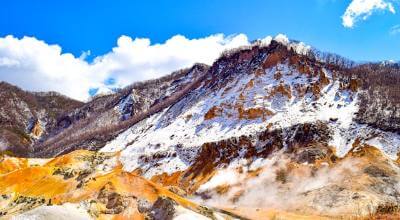
NOBORIBETSU
SOUTHWESTERN HOKKAIDO // ONSEN CAPITAL

Hokkaido's most famous onsen resort, anchored by the dramatic "Jigokudani" (Hell Valley) — a steaming volcanic crater where 10,000 tonnes of boiling sulphuric water surge daily. Multiple spring types include sulphur, salt, iron, and carbonated baths. Easy day-trip from Sapporo (1.5 hours) or a full overnight ryokan experience.

HELL VALLEYMULTIPLE SPRING TYPESRYOKAN
04

SKIING & POWDER

HOKKAIDO RECEIVES THE DRIEST POWDER ON EARTH — SIBERIAN AIR STRIPS OUT ALL MOISTURE
01
NISEKO UNITED
SOUTHWESTERN HOKKAIDO

Four interconnected resorts (Grand Hirafu, Hanazono, Village, Annupuri) combine for 60+ runs spread across 888 hectares. Night skiing available. Luxury international chalets and high-end dining. Views of perfectly conical Mt Yotei. Backcountry options are world-class. Popular with Australian and Chinese visitors — book accommodations far in advance.

15M+SNOW / SEASON
888haTERRAIN
NOV–MAYSEASON
888mVERTICAL DROP
02
RUSUTSU RESORT
SOUTHWESTERN HOKKAIDO

The hidden gem — 42km of runs across three mountains with far fewer international crowds than Niseko. Exceptional tree runs through thick birch forest. Often cited by powder junkies as the best untracked terrain in Japan. Massive resort complex with an indoor amusement park. Only 80 minutes from Sapporo.

12M+SNOW / SEASON
213haTERRAIN
3 MOUNTAINSLINKED
LOWCROWDS
03
FURANO SKI RESORT
CENTRAL HOKKAIDO

Home of the FIS Alpine Ski World Cup. Two mountains linked by gondola, with the best on-mountain food in Hokkaido (the Furano Prince Hotel's restaurants are superb). The town of Furano is authentically Japanese with no resort bubble — stay in town and ride morning buses to the slopes. Combined with lavender season visits, Furano offers year-round appeal.

194haTERRAIN
FIS WORLD CUPVENUE
NOV–APRSEASON
04
KIRORO RESORT
WESTERN HOKKAIDO

A quiet sanctuary 60km from Sapporo receiving some of Hokkaido's most intense snowfall due to its mountain position. Recently undergone significant development. Ideal for intermediate and advanced skiers seeking uncrowded runs. The Kiroro Snow World area is particularly suited to families. Often less than half the price of Niseko.

255haTERRAIN
DEEPSNOWFALL
LOWCROWDS
05
ASAHIDAKE ROPEWAY
DAISETSUZAN NATIONAL PARK

Not a conventional ski resort — a single ropeway to the volcanic plateau of Mt Asahidake, Hokkaido's highest peak. Ski among active volcanic vents. Season starts in October, the earliest in Japan. No marked runs — pure backcountry wilderness skiing. For advanced skiers and snowboarders who want something truly otherworldly. Guided tours essential.

OCT–MAYLONGEST SEASON
2,291mELEVATION
BACKCOUNTRYONLY
05

FOOD & DRINK

HOKKAIDO IS JAPAN'S FOOD KINGDOM — 20% OF THE LAND FEEDS THE ENTIRE NATION

🍜 WHICH HOKKAIDO RAMEN ARE YOU?

3 QUESTIONS // FIND YOUR PERFECT BOWL

What's your cold weather survival strategy?

🍜 THE FOUR RAMEN OF HOKKAIDO

SAPPORO
MISO RAMEN

Invented in Sapporo in the 1950s. Rich pork broth blended with miso paste, stir-fried with garlic, onions and bean sprouts in a wok. Classic toppings: corn, butter, chashu pork. Thick, curly noodles. The definitive Hokkaido bowl.

MISO BASE RICH & BOLD BUTTER + CORN
ASAHIKAWA
SHOYU RAMEN

A "double soup" of seafood and pork-chicken broth, seasoned with soy sauce tare. A layer of lard on top keeps the soup scorching hot — essential in Asahikawa's brutal winters. Springy, frizzy noodles. Michelin-recommended at Baikōken.

DOUBLE BROTH SOY SAUCE LARD LAYER
HAKODATE
SHIO RAMEN

Said to be Japan's oldest ramen style, descended from Chinese noodle soups brought to Hakodate's international port. Clear, delicate salt-based broth made from kelp, pork and chicken. Elegant, clean, refined — the opposite of Sapporo's miso.

SALT BASE CLEAR BROTH DELICATE
KUSHIRO
KUSHIRO RAMEN

High-moisture curly noodles that cannot survive transport — only available in Kushiro, making it Japan's most local ramen. Bonito-kelp seafood broth with pork bones. No preservatives. Eat it while you're here or miss it forever.

ONLY IN KUSHIRO SEAFOOD BROTH NO PRESERVATIVES
🦀
HOKKAIDO CRAB
北海道カニ // KANI

Three varieties: hairy crab (April–Nov), horsehair crab (Mar–Jun), and the prized Tarabagani (king crab, Oct–May). Nijo Market in Sapporo and Hakodate's morning market serve them straight from the boat. A kaisendon (seafood rice bowl) piled with crab is one of Japan's great eating experiences.

BEST AT: NIJO MARKET (SAPPORO) · HAKODATE MORNING MARKET
🦔
UNI (SEA URCHIN)
ウニ // UNI

Hokkaido's sea urchin is categorically different from what you've tried elsewhere — intensely sweet, ocean-fresh, and never bitter. The kelp-rich cold northern waters produce Japan's finest uni. Peak season is June–August. A single gunkan sushi piece can redefine your opinion of the ingredient.

BEST AT: NIJO MARKET · OTARU SUSHI · KUSHIRO PORT
🐑
JINGISUKAN
ジンギスカン // GENGHIS KHAN BBQ

Hokkaido's iconic frontier BBQ: lamb and mutton sizzled on a domed iron skillet (shaped like a warrior's helmet) with onions and local vegetables, then dipped in a sweet soy tare. Almost unknown in the rest of Japan. The Sapporo Beer Garden's Jingisukan Hall is the definitive temple — all-you-can-eat lamb with unlimited Sapporo draft.

BEST AT: SAPPORO BEER GARDEN · DARUMA (SAPPORO)
🍛
SOUP CURRY
スープカレー // SŪPU KARĒ

A Sapporo original: a bowl of thin, deeply-spiced broth — far more liquid than regular Japanese curry — loaded with whole roasted vegetables (half a pepper, an enormous potato, corn on the cob) and a chicken leg. Each restaurant has a different heat scale from 0 to 30+. Garaku and Suage are the founding institutions.

BEST AT: GARAKU (SAPPORO) · SUAGE (SAPPORO)
🍗
ZANGI
ザンギ // HOKKAIDO FRIED CHICKEN

Hokkaido's version of karaage, but larger, juicier, and seasoned with a distinct spice mixture that varies by family recipe. The pieces are enormous compared to regular karaage, keeping the interior perfectly succulent. A staple of every izakaya across the island, often appearing as a first order with cold Sapporo Classic beer.

BEST AT: ANY IZAKAYA IN HOKKAIDO
🥣
KAISENDON
海鮮丼 // SEAFOOD RICE BOWL

A bowl of steaming Japanese rice under a landslide of the freshest seafood in Japan: roe-heavy ikura (salmon roe), sweet scallops, creamy uni, glistening crab legs, translucent squid. What makes Hokkaido's kaisendon extraordinary is the 0-distance supply chain from ocean to bowl. Eat at a market counter, 8am.

BEST AT: NIJO MARKET · HAKODATE MORNING MARKET · KUSHIRO PORT
🍦
HOKKAIDO DAIRY
北海道乳製品 // NYŪSEIHIN

Hokkaido produces over half of Japan's dairy products. The milk is richer and creamier than anything on the mainland, a direct result of the cool climate and Tokachi-region pastures. The soft-serve ice cream is a pilgrimage — try it at a farm in Biei or Tokachi. Shiroi Koibito (white chocolate cookie sandwiches) are the classic souvenir.

BEST AT: BIEI FARMS · TOKACHI OBIHIRO · CHITOSE AIRPORT
🍺
SAPPORO BEER + NIKKA WHISKY
サッポロビール / ニッカウヰスキー

Japan's oldest beer brand was founded in Sapporo in 1876 — the Sapporo Beer Museum traces the story. "Classic" is only sold in Hokkaido. The Nikka Whisky distillery in Yoichi (40 min from Sapporo) is one of the world's great whisky destinations, founded by Masataka Taketsuru after studying in Scotland. Tours and tasting are free.

BEST AT: SAPPORO BEER GARDEN · NIKKA YOICHI DISTILLERY
06

ONSEN GUIDE

HOKKAIDO'S VOLCANIC ORIGINS CREATE SOME OF THE MOST DIVERSE HOT SPRINGS ON EARTH
NOBORIBETSU
🌋 SULPHUR · SALT · IRON · RADIUM · 9 SPRING TYPES

The volcanic drama of Jigokudani (Hell Valley) produces nine distinct water types in a single destination — making it the most diverse onsen town in Japan. Milky white sulphur baths, clear salt baths, iron-red pools. Day tripping from Sapporo is easy (1.5hr by express train). Overnight ryokan with kaiseki dinner is transformative.

WATER TEMP: 45–90°C at source // YEAR-ROUND
SOUNKYO ONSEN
🏔️ SODIUM CHLORIDE · GORGE SETTING

The most dramatic onsen location in Hokkaido — a hot spring village wedged inside the narrow Sounkyo Gorge with 100m basalt walls on each side. In winter, the ice falls festival illuminates the gorge. The outdoor baths at Taisetsu Kanko Hotel look directly at frozen cliff faces. A completely surreal experience.

SETTING: FROZEN CANYON WALLS // BEST: WINTER
JOZANKEI
♨️ SODIUM CHLORIDE · 30 MIN FROM SAPPORO

Sapporo's "backyard onsen resort" — just 30 minutes by bus from the city centre, nestled in a mountain valley. Ideal for same-day recovery after skiing or festival-going. In autumn, the surrounding forests flame red and gold. The Snow Lantern Festival in winter creates a fantasy scene around Jozankei Shrine.

ACCESS: 30 MIN FROM SAPPORO // BEST: AUTUMN + WINTER
LAKE TOYA ONSEN
🌊 SODIUM CHLORIDE · CALDERA LAKE

Outdoor baths overlooking a vast caldera lake and the active volcano Mt Usu. The surrounding Shikotsu-Toya National Park means clear air and zero light pollution. Summer fireworks over Lake Toya are fired from barges nightly from April to October. G8 Summit was held at Windsor Hotel here in 2008.

FEATURE: VOLCANIC LAKE VIEWS // FIREWORKS: APR–OCT NIGHTLY
AKAN ONSEN
🦅 SODIUM SULFATE · AINU CULTURAL CENTRE

Eastern Hokkaido's premier onsen resort on the shores of Lake Akan. Famous for marimo (spherical green algae unique to this lake), Ainu craft shops, and extraordinary outdoor onsen overlooking volcanic forest. Winter brings the Akan Lake Fireworks Spectacular — a display over a frozen lake at −20°C.

UNIQUE: MARIMO ALGAE LAKE // AINU: CULTURAL PERFORMANCES
NISEKO ONSEN
♨️ SODIUM SULFATE · POWDER SKI ACCESS

Multiple onsen options within the Niseko ski resort area, including Niseko Grand Hotel and the famous Yukoro outdoor bath with views of Mt Yotei. The combination of powder skiing and hot spring soaking defines the Niseko experience. After a day in −15°C conditions, an outdoor bath under falling snow is unmatched.

COMBO: SKI + ONSEN // VIEWS: MT YOTEI

♨️ ONSEN ETIQUETTE PROTOCOL

Shower fully before entering. No swimwear in traditional onsen (except designated mixed-gender baths). Tie long hair up. Tattoos are prohibited at most traditional facilities — check ahead or look for tattoo-friendly (タトゥーOK) options. No alcohol in the water. Enter slowly. Hydrate before and after.

07

NATURE & WILDLIFE

🐻
BROWN BEAR

Hokkaido is home to Japan's only brown bear population — an estimated 3,000 animals. Shiretoko Peninsula and Daisetsuzan are the best spots. Summer hiking requires bear bells and spray. The Sankebetsu incident (1915) remains Japan's deadliest bear attack — a remote shrine marks the site.

🦢
RED-CROWNED CRANE

Japan's most beloved bird, near-extinct in the 20th century and slowly recovered through conservation. About 1,800 remain, mostly in eastern Hokkaido. Winter gatherings at Tsurui and Akan are one of Japan's greatest wildlife spectacles — adults dancing in snowfields is deeply moving.

🦭
STELLER SEA LION

The world's largest sea lion species hauls out on rocky outcrops around Shiretoko and Rebun Island. Boat cruises in summer offer close encounters. The Shiretoko Five Lakes area also provides excellent wildlife spotting platforms.

🐋
WHALE WATCHING

Shiretoko Peninsula's waters host sperm whales, orcas, minke whales and humpbacks during the summer feeding season (Jun–Oct). Local operators run morning cruises from Utoro. The Pacific Ocean current convergence creates exceptional marine productivity.

🦊
KITA KITSUNE (ARCTIC FOX)

The red fox of Hokkaido, often called "Kita Kitsune" locally, appears throughout the island and is curiously unafraid of humans. Ezo deer (Hokkaido's own subspecies of sika deer) are equally ubiquitous — both cross roads freely, especially at dawn and dusk.

🧊
DRIFT ICE

Each January, pack ice from the Sea of Okhotsk reaches the northeastern shores of Hokkaido — the world's southernmost sea drift ice. Walk across it in dry suits (guided tours in Abashiri and Utoro). The Garinko II icebreaker cruise in Monbetsu crushes through the ice at eye level.

08

AINU CULTURE

THE FIRST
PEOPLE

The Ainu are the indigenous people of Hokkaido (and formerly Sakhalin and the Kuril Islands), with a distinct language, cosmology, and material culture that bears no relation to the Japanese mainland tradition. Japan officially recognized the Ainu as an indigenous people in 2019.

Their worldview centers on "kamuy" (spirits) present in all living things — bears, owls, salmon, fire. The brown bear is the most sacred — Iomante (the bear ceremony) was the most important Ainu ritual. Upopoy, the National Ainu Museum opened in 2020 in Shiraoi, is the best introduction to their culture.

Ainu crafts include intricate textile embroidery (attus cloth), wood carving, and music — the mukkuri (mouth harp) and tonkori (stringed instrument) are distinctive. Evening cultural performances are held at Akan Onsen year-round.

UPOPOY NATIONAL AINU MUSEUM
Opened 2020 in Shiraoi — Japan's first national indigenous museum. Purpose-built on the shores of Lake Poroto with living Ainu village reconstruction. 90 min from Sapporo by JR.
AKAN LAKESIDE AINU KOTAN
A living village on Lake Akan's shore. Craft shops, evening fire ceremonies, and traditional dance performances. The largest Ainu community in Hokkaido with about 120 residents.
AINU LANGUAGE
A language isolate — related to no other known language. UNESCO classifies it as critically endangered. Fewer than 10 fluent native speakers remain, though revitalization efforts are active.
KAMUY KOTAN (ASAHIKAWA)
A sacred Ainu gorge near Asahikawa where the Ishikari River narrows dramatically. Stone carvings and a small museum mark what was once one of the most important Ainu spiritual sites in the region.
09

SAMPLE ITINERARIES

01

ARRIVE SAPPORO

Fly into New Chitose Airport (CTS). Take the JR Airport Express to Sapporo (37 min). Check in, then dive into Susukino for Jingisukan at Daruma and a first bowl of Sapporo miso ramen at Ramen Alley. Night walk through the Odori Park Snow Festival site if Feb 4–11.

CTS AIRPORTRAMEN ALLEYSUSUKINO
02

SAPPORO SNOW FESTIVAL + OTARU

Full morning at the Snow Festival — arrive at Odori Park before 9am for uncrowded sculpture viewing. Afternoon train to Otaru (30 min) for canal walking, glass art, and the finest sushi of your life. Return to Sapporo for the Susukino Ice Festival at night.

ODORI PARKSUSUKINO SITEOTARU CANALOTARU SUSHI
03

NOBORIBETSU ONSEN

Day trip south to Noboribetsu (1.5hr express train). Walk Hell Valley for the volcanic drama, then spend the afternoon cycling between bath types at Daiichi Takimotokan. Return to Sapporo for Sapporo Beer Garden dinner with all-you-can-eat Jingisukan.

JIGOKUDANI (HELL VALLEY)9 SPRING TYPESSAPPORO BEER GARDEN
04

HAKODATE

Early JR Limited Express to Hakodate (3.5hr) or Shinkansen from Shin-Hakodate-Hokuto. Morning market for a kaisendon breakfast at 7am. Walk the Goryokaku star fortress. Explore Motomachi's colonial architecture and Daimon Yokocho. Night view from Mt Hakodate (cable car) then shio ramen at Ajisai.

MORNING MARKETGORYOKAKUMT HAKODATE NIGHT VIEWSHIO RAMEN
05

RETURN + DEPARTURE

Return to Sapporo or fly direct from Hakodate Airport. Final omiyage (souvenirs) at Sapporo Station — Shiroi Koibito, Royce chocolate, Hokkaido Ramen packs, Nikka Whisky. Last bowl of miso ramen before departing.

SHIROI KOIBITO PARKROYCE CHOCOLATE FACTORYCTS DEPARTURE
01

ARRIVE SAPPORO

Fly into CTS. Check into Sapporo. Evening at Odori Park beer garden (open July–August) with Sapporo Classic on draft under the evening sky. Best miso ramen at Ramen Alley.

ODORI BEER GARDENRAMEN ALLEY
02–03

FURANO + BIEI FLOWER FIELDS

Rent a car or take JR to Furano (2.5hr from Sapporo). Farm Tomita lavender peaks in mid-July. Biei's Patchwork Road is best cycled — rent bikes at Biei Station. Blue Pond at dawn for photographers. Farm-fresh soft-serve ice cream at multiple dairy farms. Stay overnight in Furano.

FARM TOMITABLUE POND (BIEI)PATCHWORK ROADDAIRY FARM SOFT SERVE
04–05

DAISETSUZAN NATIONAL PARK

Drive or bus to Asahikawa, then Sounkyo Gorge. Hike the Kurodake trail for alpine flowers and ridge views. Ropeway to the plateau. Return via Asahikawa for shoyu ramen at Baikōken. Visit Asahiyama Zoo (world-famous for its innovative animal enclosures and the penguin parade).

SOUNKYO GORGEKURODAKE HIKEASAHIYAMA ZOOSHOYU RAMEN
06–07

SHIKOTSU-TOYA + DEPARTURE

Drive south to Lake Toya (active caldera lake, Mt Usu views, nightly fireworks Apr–Oct). Then Lake Shikotsu — one of Japan's clearest lakes, kayak or canoe for a unique perspective. Noboribetsu onsen final night. Return to Sapporo and fly out from CTS.

LAKE TOYALAKE SHIKOTSU KAYAKNOBORIBETSU ONSEN
01

ARRIVE → NISEKO

Fly CTS, take the Niseko Liner bus direct from airport (2.5hr). Check into Grand Hirafu. Gear rental at infinity Sapporo or local shop. Night ski at Hirafu's illuminated runs. Après-ski at Bar Gyu+ or Wild Bill's.

GRAND HIRAFUGEAR RENTALNIGHT SKI
02–05

NISEKO UNITED — 4 RESORTS

Four days exploring all four mountains. Day 2: Hirafu's steep north face. Day 3: Hanazono for trees and powder stashes. Day 4: Village for the mixed intermediate runs and onsen lunch break. Day 5: Annupuri for quiet runs and Mt Yotei panoramas. Backcountry guide recommended for off-piste. End each day at Yukoro outdoor onsen.

HIRAFU STEEP LINESHANAZONO TREESVILLAGE RUNSANNUPURI SUMMITYUKORO ONSEN
06–07

RUSUTSU — THE HIDDEN GEM

Transfer to Rusutsu (30 min by shuttle). Three mountains with almost no foreign visitors. Best tree skiing in Hokkaido. Huge resort complex with indoor amusement park if rest day needed. Try the Rusutsu Resort Hotel's hot spring.

WEST MOUNTAIN TREESEAST MOUNTAIN POWDERRUSUTSU ONSEN
08–09

SAPPORO + SNOW FESTIVAL (IF FEB 4–11)

Return to Sapporo. Snow Festival if timing aligns. Okurayama Ski Jump Museum. Sapporo Beer Museum. Final Jingisukan feast at Beer Garden. Miso ramen pilgrimage at Sumire, Sapporo's most famous miso shop.

SNOW FESTIVALOKURAYAMA SKI JUMPSAPPORO BEER GARDENSUMIRE RAMEN
10

NIKKA YOICHI + DEPARTURE

Morning train to Yoichi (50 min from Sapporo). Free tour and tasting at the Nikka Whisky Distillery — founded 1934 by Masataka Taketsuru. Return to Sapporo for final omiyage shopping at Tanukikoji arcade. Depart CTS.

NIKKA YOICHI DISTILLERYFREE WHISKY TASTINGTANUKIKOJI ARCADE
01

FLY INTO KUSHIRO

Direct flights from Tokyo to Kushiro (KUH). Kushiro is the gateway to eastern Hokkaido. Evening at a robatayaki (open-fire grill) restaurant — a style born in Kushiro. Try Kushiro's exclusive local ramen — only available here due to the fresh, preservative-free noodles.

KUH AIRPORTROBATAYAKIKUSHIRO RAMEN
02

KUSHIRO WETLANDS + RED-CROWNED CRANE

Japan's largest wetland covers 190 km². Cruise the Kushiro River by canoe at dawn. Winter: crane feeding grounds at Tsurui and Akan. Summer: extensive walking trails through the reed bogs. The Kushiro Shitsugen National Park Visitor Centre has superb information.

RIVER CANOETSURUI CRANE SANCTUARYWETLANDS HIKE
03–04

SHIRETOKO PENINSULA

Drive or bus to Utoro on the Shiretoko Peninsula (2hr from Kushiro). UNESCO World Heritage wilderness. Drift ice walk in dry suits (Jan–Mar). Brown bear spotting on boat cruise (Jun–Oct). Shiretoko Five Lakes boardwalk. Whale watching from Utoro port. Stay at a small Utoro ryokan.

DRIFT ICE WALK (WINTER)BEAR BOAT CRUISEFIVE LAKESWHALE WATCHING
05

ABASHIRI + DRIFT ICE MUSEUM

Drive west to Abashiri, Hokkaido's easternmost city. Abashiri Prison Museum — Japan's most notorious jail, now a fascinating open-air museum. Okhotsk Ryuhyo Museum (drift ice science museum). The Garinko II icebreaker cruise in Monbetsu (Jan–Mar) is unmissable.

ABASHIRI PRISON MUSEUMDRIFT ICE MUSEUMGARINKO II CRUISE
06–07

AKAN + MASHU → SAPPORO

Lake Mashu — Japan's clearest lake, often cloaked in mist. Akan National Park for marimo algae viewing and Ainu Kotan cultural village. Akan onsen evening soak. Fly or JR train to Sapporo next day. Final Sapporo dinner at the definitive miso ramen counter.

LAKE MASHUMARIMO VIEWINGAINU KOTANAKAN ONSEN

🌡️ TEMP CONVERTER

−5°C
= 23°F
❄️ Typical Niseko ski day
10

PRACTICAL INFO

EVERYTHING YOU NEED BEFORE YOU BOOK

🚄 GETTING AROUND

ROUTE METHOD TIME COST NOTES
Tokyo → SapporoFly (ANA / JAL / Peach)1h 30m¥6,000–¥30,000CTS is the main Hokkaido airport
Tokyo → HakodateHokkaido Shinkansen4h 02m~¥23,000Scenic option, JR Pass compatible
CTS → SapporoJR Airport Express37 min¥1,150Fastest from airport
Sapporo → OtaruJR30 min¥750Rapid or express
Sapporo → HakodateJR Limited Express3h 30m¥8,910Scenic coastal route
Sapporo → FuranoJR + local2h 30m¥3,080Or 2hr by car
Sapporo → NisekoBus (resort direct)2h 30m¥3,000–¥5,000Multiple operators from CTS
Sapporo → NoboribetsuJR Express1h 15m¥3,020Easy day trip
Within HokkaidoRental car¥5,000–¥10,000/dayEssential for eastern routes
🌡️
WHAT TO PACK
  • Winter: thermal base layer, mid-layer fleece, waterproof shell — minimum 3 layers
  • Waterproof snow boots (essential Oct–Apr, even in cities)
  • Hand warmers (kairo) — sold everywhere in Japan for ¥100
  • Neck gaiter and ski goggles for blizzard days
  • Summer: light layers — mornings can be cool even in August
  • Universal Japan AC adapter (Type A, same as North America)
💴
MONEY & PAYMENTS
  • Japan remains heavily cash-based — carry yen at all times
  • 7-Eleven ATMs accept international cards reliably
  • IC Cards (Suica / Kitaca) work on all Sapporo trains and buses
  • Budget ¥10,000–¥20,000/day including accommodation
  • Ramen: ¥800–¥1,500 / Kaisendon: ¥1,500–¥3,000
  • Ski day pass: ¥5,500–¥9,000 (Niseko)
📱
CONNECTIVITY
  • Pocket WiFi rental at CTS Airport — essential for navigation
  • eSIM: Ubigi and Airalo offer Hokkaido coverage from ¥800 for 3GB
  • Google Maps works flawlessly for transit routing
  • HyperDia app for train schedules and transfers
  • NAVITIME Japan for bus + train combo routing
  • Tabelog app for restaurant discovery (Japanese ratings)
🚗
DRIVING TIPS
  • International Driving Permit required — get before departure
  • Drive on the LEFT — same as UK, Australia
  • Winter tyres are mandatory Nov–Apr — rental cars include them
  • Black ice (blak-su) is frequent — reduce speed dramatically
  • Speed limits: 60km/h (national road), 100km/h (expressway)
  • ETC transponder for expressway toll discounts — ask at rental desk
🏨
ACCOMMODATION TYPES
  • Ryokan: traditional inn with kaiseki dinner, onsen, futon — ¥15,000–¥50,000/night
  • Business hotel (APA, Toyoko Inn): clean, central, ¥6,000–¥12,000/night
  • Minshuku: family-run guesthouse, home-cooked meals
  • Ski lodge: slope-access lodges in Niseko area from ¥8,000
  • Capsule hotel in Sapporo from ¥3,500/night
  • Book Snow Festival week 6+ months ahead — sells out entirely
⚠️
IMPORTANT WARNINGS
  • Bear season hiking (Jun–Oct): mandatory bell + spray in Shiretoko
  • Blizzard visibility: zero-visibility white-outs close mountain roads instantly
  • Frostbite is real below −15°C — cover all exposed skin
  • Tatami rooms in ryokan: no shoes, no luggage on the floor
  • Driving after snow: expressways and national roads close without warning — check road status (douro joho) before any trip
  • Ezo deer crossing: cause hundreds of accidents annually — slow down at night

💴 TRIP BUDGET ESTIMATOR

¥82,500
SELECT YOUR CURRENCY ABOVE TO SEE CONVERSION

🗣️ ESSENTIAL JAPANESE

すみません
SUMIMASEN
Excuse me / Sorry (most useful word in Japan)
▶ TAP TO COPY
これをください
KORE O KUDASAI
"This one please" — point and say this
▶ TAP TO COPY
おいくらですか
OIKURA DESU KA
"How much does it cost?"
▶ TAP TO COPY
おすすめは?
OSUSUME WA?
"What do you recommend?" (magic restaurant phrase)
▶ TAP TO COPY
〇〇はどこですか
〇〇 WA DOKO DESU KA
"Where is [X]?" — say the place name then this
▶ TAP TO COPY
写真を撮ってもいいですか
SHASHIN O TOTTE MO II DESU KA
"May I take a photo?"
▶ TAP TO COPY
ありがとうございます
ARIGATOU GOZAIMASU
Thank you (formal) — use constantly
▶ TAP TO COPY
お会計をお願いします
OKAIKEI O ONEGAISHIMASU
"The bill please" — or write 計 on your palm
▶ TAP TO COPY