JAPAN.GG // DESTINATION SPIRIT
LOADING: 中部 // CHŪBU // THE ROOF OF JAPAN
JAPAN.GG
35°N // 137°E // MT FUJI 3,776M // THE ALPINE CORE
中部
CHŪBU | 35.1815°N 136.9066°E | 66,777 KM²
JAPAN TIME: --:--:-- | JST UTC+9
JAPAN.GG | 2026
JAPAN.GG

DESTINATION SPIRIT // JAPAN.GG // 2026 EDITION

CHŪBU

THE ROOF OF JAPAN

MT FUJI 3,776M // JAPAN ALPS // NAGOYA // KANAZAWA // TAKAYAMA // SHIRAKAWA-GO

▼ SCROLL TO EXPLORE ▼

3,776
METRES
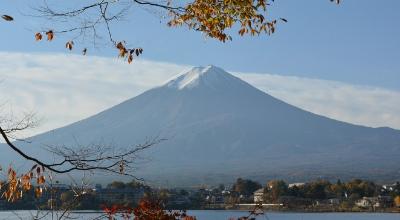
Mt Fuji — Japan's highest peak
9
PREFECTURES
Aichi · Shizuoka · Nagano · Niigata · Toyama · Ishikawa · Fukui · Yamanashi · Gifu
22M
POPULATION
Including Japan's 4th-largest city, Nagoya
3
ALPS RANGES
Northern, Central & Southern Japan Alps
5
UNESCO SITES
Shirakawa-go, Gokayama, Fujisan & more
300+
SAKE BREWERIES
Niigata alone — Japan's premier sake prefecture
2,450
METRES
Tateyama Kurobe Alpine Route — max elevation
17m
SNOW WALLS
Tateyama corridor in spring — towering carved walls
● SCROLL STORY — THE CHŪBU REGION
中部
// CHAPTER 01 //

THE ALPINE CORE

Chūbu is the spine of Japan. Nine prefectures reaching from the Pacific to the Sea of Japan, bisected by the Japan Alps — the Hida, Kiso, and Akaishi ranges. Nowhere else in Japan stacks dense ancient forest, world-class powder skiing, UNESCO heritage villages, medieval castle towns, and the world's most recognizable mountain all within a single region.

9
PREFECTURES
66K
KM² AREA
3,776
FUJI HEIGHT (M)
🏔️
富士
// CHAPTER 02 //

FUJISAN — SACRED FIRE

Japan's most iconic image. At 3,776m, Mt Fuji stands alone on the Yamanashi-Shizuoka border — a perfectly symmetrical stratovolcano that has inspired poets, woodblock artists, and pilgrims for 1,300 years. The climbing season opens July–September. The Fuji Five Lakes below — Kawaguchiko, Yamanakako, Saiko, Shojiko, and Motosuko — offer year-round access to Fuji's reflection.

3,776
METRES
1,300
YRS PILGRIMAGE
5
FUJI LAKES
🗻
// CHAPTER 03 //

THE ALPS CORRIDOR

The Japan Alps are split into three ranges. The Northern Alps (Hida) contain the dramatic Tateyama Kurobe Alpine Route — one of the world's great mountain traversals, with 17-metre snow walls in spring. Hakuba, Nozawa Onsen, and Myoko host world-class ski resorts. The Kiso Valley's Nakasendo highway links feudal post towns through ancient cedar forests. Matsumoto sits at the gateway of them all.

3
ALPS RANGES
17M
SNOW WALLS
11
SKI RESORTS
⛰️
// CHAPTER 04 //

NAGOYA — FOOD EMPIRE

Japan's fourth-largest city runs on miso. Nagoya's "Nagoya-meshi" cuisine — hatcho miso katsu, misonikomi udon, miso-flavoured chicken wings — is a distinct and fiercely proud culinary tradition. The city's morning coffee culture ("morning service") is uniquely generous: order a coffee and receive toast, eggs, and salad free. Nagoya is also the gateway to the Nishi-Mikawa countryside, Meiji Mura open-air museum, and the LEGOLAND Japan theme park.

2.3M
POPULATION
8
MICHELIN STARS
1610
CASTLE BUILT
🏯
● FUJISAN // 富士山 // UNESCO WORLD HERITAGE 2013
ELEVATION PROFILE — MT FUJI
3,776 METRES
0M — SEA LEVEL 2,305M — 5TH STATION (YOSHIDA) 3,776M — SUMMIT
🌸
SPRING
Snow walls at Tateyama. Cherry blossoms with Fuji backdrop at Chureito Pagoda.
⛰️
SUMMER
Fuji climbing season: July–Sept. Mt Fuji open via 4 trails. Expect crowds.
🍁
AUTUMN
Koyo (autumn foliage) in the Alps. Takayama autumn festival — Oct 9–10.
❄️
WINTER
World-class powder at Hakuba, Nozawa, Shiga Kogen. Shirakawa-go snow lanterns.

HOVER TO EXPLORE

中部の九つの県 — HOVER / TOUCH EACH PREFECTURE TO REVEAL ITS SPIRIT
愛知
01
🏯
AICHI
愛知 あいち
NAGOYA CASTLE. MISO EMPIRE. TOYOTA COUNTRY. ATSUTA SHRINE.

Home to Nagoya — Japan's fourth-largest city and the birthplace of three of Japan's greatest warlords: Oda Nobunaga, Toyotomi Hideyoshi, and Tokugawa Ieyasu. The region's hatcho miso culture, golden shachihoko castle, and Toyota Motor Corporation headquarters define modern Aichi.

🏯
NAGOYA CASTLE — 1610Original castle of Tokugawa Yoshinao. The golden shachihoko (dolphin-tiger) roof ornaments are iconic. Honmaru Palace reconstruction completed 2022.
⛩️
ATSUTA SHRINE — 1,900 YEARSOne of Japan's three most important shrines, housing the Kusanagi-no-Tsurugi sword — one of the three Imperial treasures.
NAGOYA CASTLEMISO KATSUATSUTA SHRINETOYOTA
静岡
02
🗻
SHIZUOKA
静岡 しずおか
MT FUJI'S SOUTHERN FACE. MIHO NO MATSUBARA. ŌIGAWA RAILWAY. GREEN TEA PARADISE.

Shizuoka stretches along the Pacific coast with Mt Fuji commanding its northern skyline. The prefecture produces 40% of Japan's green tea in fields that run all the way to the coastline. The Ōigawa Steam Railway through the Southern Alps is one of Japan's most scenic rail journeys.

🗻
MT FUJI — SOUTHERN APPROACHFujinomiya trail — the shortest route to the summit. Lahar plains, lava caves, and UNESCO-listed Miho no Matsubara pine grove with perfect Fuji views.
🍵
SHIZUOKA GREEN TEA FIELDS40% of Japan's green tea production. Tea farm tours in Okabe and Makinohara. Tea ceremony experiences and guided tastings.
MT FUJIGREEN TEAMIHO NO MATSUBARASTEAM RAILWAY
長野
03
🏔️
NAGANO
長野 ながの
MATSUMOTO CASTLE. JAPAN ALPS. SNOW MONKEYS. HAKUBA. ZENKO-JI.

Japan's roof. Nagano hosts eight peaks above 3,000m, Japan's most famous snow monkeys at Jigokudani, the National Treasure Matsumoto Castle (Crow Castle), and Zenko-ji — one of Japan's most important temples, predating any sect. The 1998 Winter Olympics ski venues remain some of the world's finest.

🏯
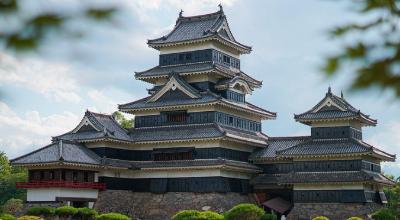
MATSUMOTO CASTLE — NATIONAL TREASUREJapan's oldest extant wooden castle keep, built 1593–1594. Six-storey black and white tenshu rising from its moat. One of Japan's "Five Great Castles".
🐒
JIGOKUDANI SNOW MONKEYSJapanese macaques bathing in geothermal hot springs at 850m altitude — one of Japan's most iconic wildlife experiences. Accessible year-round.
MATSUMOTOSNOW MONKEYSHAKUBAZENKO-JI
新潟
04
🍚
NIIGATA
新潟 にいがた
JAPAN'S FINEST RICE. SAKE CAPITAL. SADO ISLAND. MYOKO & NAEBA SKI.

Japan's biggest rice and sake prefecture. Niigata's Koshihikari rice is the nation's benchmark variety. Over 90 sake breweries operate in the prefecture. The Sea of Japan coastline brings heavy snow — powdering Myoko Kogen and Naeba into world-class ski resorts. Sado Island hosts taiko drumming, gold mines, and the endangered Japanese crested ibis.

🍶
NIIGATA SAKE — 90+ BREWERIESJapan's most celebrated sake region. Light, dry "tanrei karakuchi" style. The Ponshukan sake museum in Niigata Station lets you taste 100 local labels from vending machines.
🏝️
SADO ISLAND — TAIKO & CRANESJapan's second-largest island. Former gold mine, Noh theatre, Earth Celebration festival, and the last wild population of Japanese crested ibis.
KOSHIHIKARI RICESAKESADO ISLANDNAEBA
富山
05
🏞️
TOYAMA
富山 とやま
TATEYAMA KUROBE ALPINE ROUTE. SNOW WALLS. GOKAYAMA. SEAFOOD CAPITAL.

Japan's mountain spectacle. The Tateyama Kurobe Alpine Route crosses the Northern Alps at 2,450m via cable cars, buses, and mountain roads — with spring snow walls rising to 17m. Toyama Bay's seafood is extraordinary: firefly squid, white shrimp, and yellowtail sashimi fresh from the transparent waters.

🏔️
TATEYAMA KUROBE ALPINE ROUTEA 37km mountain traverse using 6 different transit modes across the Northern Alps. Open mid-April to November. Snow walls highest in late April.
🦑
FIREFLY SQUID — MARCH TO MAYToyama Bay glows blue at night as millions of bioluminescent squid surface. Witnessed from boats. One of Japan's most extraordinary natural events.
TATEYAMASNOW WALLSGOKAYAMAFIREFLY SQUID
石川
06
🌿
ISHIKAWA
石川 いしかわ
KANAZAWA — LITTLE KYOTO. KENROKU-EN. SAMURAI DISTRICTS. LACQUERWARE.

Ishikawa's capital Kanazawa is Japan's most preserved Edo-era city — never bombed in WWII, its geisha districts, samurai quarters, and lacquer workshops are intact. Kenroku-en is one of Japan's three great gardens. The 21st Century Museum of Contemporary Art sits at the city's cultural core.

🌿
KENROKU-EN — ONE OF JAPAN'S THREE GREAT GARDENSEstablished in the 17th century by the Maeda clan. 11.4 hectares featuring over 8,750 trees, two ponds, and the famous kotoji-toro lantern symbol of Kanazawa.
⚔️
HIGASHI CHAYA & SAMURAI DISTRICTSJapan's most complete geisha district and two intact samurai neighbourhoods — Nagamachi and Nishi Chaya. Daily tea ceremonies available.
KANAZAWAKENROKU-ENGEISHA DISTRICTLACQUERWARE
福井
07
🦕
FUKUI
福井 ふくい
EIHEIJI ZEN TEMPLE. WORLD-CLASS DINOSAUR MUSEUM. TOJINBO CLIFFS. ECHIZEN CRAB.

Fukui is Japan's best-kept secret. Eiheiji Temple — founded in 1244 — is the headquarters of Soto Zen Buddhism and one of Japan's most atmospheric pilgrimage sites. Fukui's dinosaur museum is among the top three in the world. Tojinbo's basalt sea cliffs rival Ireland's Giant's Causeway.

🏯
EIHEIJI TEMPLE — SOTO ZEN HQFounded by Dōgen in 1244. 70+ buildings on a steep forested hillside. Monks conduct daily rituals. One of Japan's most sacred training temples.
🦕
FUKUI PREFECTURAL DINOSAUR MUSEUM3rd largest dinosaur museum in the world. Over 40 complete skeletons including Fukuiraptor — a large carnivore found locally in 1989.
EIHEIJIZEN BUDDHISMDINOSAUR MUSEUMECHIZEN CRAB
山梨
08
🍇
YAMANASHI
山梨 やまなし
FUJI FIVE LAKES. FUJISAN WORLD HERITAGE. WINE COUNTRY. KOSHU GRAPES.

Yamanashi nestles at the foot of Mt Fuji's northern face, offering the most photographed views of the mountain. The Fuji Five Lakes — Kawaguchiko, Yamanakako, Saiko, Shojiko, Motosuko — are year-round Fuji viewing bases. Yamanashi is also Japan's oldest wine region, producing acclaimed Koshu white wines.

🗻
FUJI FIVE LAKES — FUJI VIEWSKawaguchiko is the most accessible with iconic Fuji reflections. Chureito Pagoda with cherry blossoms is the most shared photograph of Japan. 90 minutes from Shinjuku.
🍷
KOSHU WINE COUNTRYOver 80 wineries in Katsunuma. Koshu grapes — unique to Yamanashi — produce crisp, mineral white wines recognised on international wine lists.
FUJI FIVE LAKESCHUREITO PAGODAKOSHU WINEFUJISAN
岐阜
09
🏠
GIFU
岐阜 ぎふ
SHIRAKAWA-GO UNESCO VILLAGE. TAKAYAMA — LITTLE KYOTO. CORMORANT FISHING. HIDA FOLK VILLAGE.

Gifu is Chūbu's cultural heart. Shirakawa-go's gassho-zukuri (hands-in-prayer) thatched farmhouses — UNESCO World Heritage — stand in a valley surrounded by steep mountains. Takayama's preserved Sanmachi Suji merchant district is Japan's most atmospheric small city. The Nagara River cormorant fishing tradition spans 1,300 years.

🏠
SHIRAKAWA-GO — UNESCO WORLD HERITAGEGassho-zukuri farmhouses with 60° thatched roofs designed to withstand 2m of annual snowfall. Winter illumination events from late January. Only 2.5 hours from Nagoya.
🏮
TAKAYAMA — "LITTLE KYOTO OF THE MOUNTAINS"Sanmachi Suji: three blocks of Edo-period sake breweries, lacquerware shops, and merchant homes. Takayama Festival (April & Oct) — Japan's most beautiful.
SHIRAKAWA-GOTAKAYAMAUNESCOCORMORANT FISHING
● THE THREE JAPAN ALPS RANGES // 日本アルプス
// NORTHERN ALPS //
HIDA MOUNTAINS
Contains Ōtake (3,190m). Tateyama Kurobe Alpine Route crosses here. Home to Hakuba Valley ski resorts. Most dramatic ridgelines in Japan. Access via Toyama or Matsumoto.
// CENTRAL ALPS //
KISO MOUNTAINS
Mt Kiso-Komagatake (2,956m) accessible by ropeway. Kiso Valley below contains the Nakasendo post towns: Narai, Magome, Tsumago — Japan's most intact feudal walking route.
// SOUTHERN ALPS //
AKAISHI MOUNTAINS
Contains Japan's 2nd (Kitadake, 3,193m) and 3rd highest peaks. Dramatic gorges. Ōigawa Steam Railway enters the southern foothills. Least visited of the three ranges.

CITIES & HIGHLIGHTS

中部の見どころ // HOVER / TOUCH EACH DESTINATION TO DISCOVER MORE
🏯
NAGOYA
名古屋 // JAPAN'S FOURTH CITY
Japan's third-largest metropolitan area. Nagoya Castle with golden shachihoko rooftop tiger-dolphins, Atsuta Shrine (one of Japan's three greatest), Toyota Techno Museum, Noritake Garden ceramics factory, and the only morning coffee culture in Japan where the coffee brings a full breakfast free.
NAGOYA CASTLEMISO KATSUATSUTA SHRINE
🌿
KANAZAWA
金沢 // THE PRESERVED CITY
Japan's most complete Edo-era city — never bombed in WWII. Kenroku-en garden, the well-preserved Higashi Chaya geisha district, Nagamachi samurai neighbourhood, and the extraordinary 21st Century Museum of Contemporary Art. On the Hokuriku Shinkansen from Tokyo in 2.5 hours.
KENROKU-ENGEISHA DISTRICT21C MUSEUM
🏮
TAKAYAMA
高山 // LITTLE KYOTO OF THE ALPS
High in the Hida Mountains at 560m, Takayama's Sanmachi Suji district is three streets of original Edo-period merchant houses — sake breweries, craft shops, lacquerware studios — entirely intact. The Takayama Festival (April 14–15, October 9–10) is Japan's most beautiful matsuri, with gilded portable shrines.
SANMACHI SUJITAKAYAMA FESTIVALSAKE BREWERIES
🏠
SHIRAKAWA-GO
白川郷 // UNESCO MOUNTAIN VILLAGE
A valley ringed by mountains where gassho-zukuri farmhouses — their 60° thatched roofs designed to shed 2 metres of annual snowfall — have stood for over 250 years. UNESCO World Heritage since 1995. The winter illumination event (late January–February) is among Japan's most magical sights.
UNESCO WHSTHATCHED ROOFSWINTER LIGHTS
🏯
MATSUMOTO
松本 // GATEWAY TO THE ALPS
Japan's finest castle outside Kyoto — the six-storey Crow Castle (Matsumoto-jo) is a National Treasure, its black walls reflected in a moat. The city sits at 600m in a wide alpine valley. Access point for Kamikochi, Hotaka, the Snow Monkey Park, and the Nakasendo walking trail.
MATSUMOTO CASTLENATIONAL TREASUREALPS GATEWAY
🌊
KAMIKOCHI
上高地 // THE HIGH LAND
Japan's most spectacular high-altitude valley — 1,500m up in the Northern Alps, no private cars permitted. The crystal Azusa River, Tashiro Pond with Hotakadake reflections (3,190m), and the historic Taisho Pond created by a 1915 volcanic eruption. Open May to November only.
AZUSA RIVERNO CARS ALLOWEDMAY–NOV ONLY
🦑
TOYAMA BAY
富山湾 // THE DEEP BLUE LARDER
Toyama Bay plunges to 1,000m depth just 5km from shore — creating ideal conditions for exceptional seafood. White shrimp (shiro-ebi) found only here. Firefly squid illuminate the sea blue from March to May. Yellowtail (buri) arrive in winter. The bay's seafood is served in Toyama city within hours of catch.
WHITE SHRIMPFIREFLY SQUIDWINTER BURI
🐒
JIGOKUDANI
地獄谷 // HELL'S VALLEY
A geothermal valley at 850m in Nagano's Yamanouchi area. Japanese macaques — snow monkeys — have learned to warm themselves in natural hot spring pools since the 1960s. The only wild non-human primates known to regularly bathe in hot springs. Best in winter when snow frames the scene perfectly.
SNOW MONKEYSONSEN BATHINGYEAR ROUND

TRAINS, BUSES & ALTITUDE

中部の交通 // HOW TO NAVIGATE THE REGION
84min
TOKYO → NAGOYA SHINKANSEN
2.5hr
TOKYO → KANAZAWA SHINKANSEN
90min
SHINJUKU → KAWAGUCHIKO (FUJI)
4hr
NAGOYA → TAKAYAMA (WIDE VIEW)
TOKAIDO SHINKANSEN
東海道新幹線 // NOZOMI / HIKARI / KODAMA
Tokyo–Nagoya–Kyoto–Osaka. Japan's busiest high-speed line. Nozomi (84min Tokyo–Nagoya) runs every 10 minutes at peak. JR Pass compatible on Hikari and Kodama only.
KEY STOPS: NAGOYA (NGA) // HAMAMATSU // SHIZUOKA
HOKURIKU SHINKANSEN
北陸新幹線 // KAGAYAKI / HAKUTAKA
Tokyo–Nagano–Kanazawa. Extended to Tsuruga in March 2024. Kagayaki (express, 2hr 30min Tokyo–Kanazawa) does not stop at Nagano. Hakutaka stops at both. Full JR Pass compatible.
KEY STOPS: NAGANO // TOYAMA // KANAZAWA // TSURUGA
WIDE VIEW HIDA
ワイドビューひだ // NAGOYA → TAKAYAMA → TOYAMA
Limited express through the Hida Mountains. Panoramic windows reveal dramatic gorges, mountain rivers, and cedar forests. 2hr 20min Nagoya–Takayama. Continues to Toyama for Tateyama access. JR Pass compatible.
ROUTE: NAGOYA → GIFU → GERO ONSEN → TAKAYAMA → TOYAMA
TATEYAMA KUROBE ALPINE ROUTE
立山黒部アルペンルート // 6 TRANSIT MODES
One of Japan's greatest mountain experiences. Cable cars, ropeways, trolley buses, and walking across the Northern Alps from Toyama to Omachi (Nagano). Not JR Pass compatible. Open mid-April to November.
MODES: CABLE CAR // ROPEWAY // TROLLEY BUS // ELECTRIC BUS
FUJI EXCURSION
富士回遊 // SHINJUKU → KAWAGUCHIKO
Direct limited express from Shinjuku to Kawaguchiko (Fuji Five Lakes) in 90 minutes. Runs twice daily. Also available: Fuji-Q Highland Line and Highway Bus services from Shinjuku. Reservations recommended on weekends.
ROUTE: SHINJUKU → HACHIOJI → OTSUKI → KAWAGUCHIKO
NOHI BUS — WORLD HERITAGE BUS
濃飛バス // TAKAYAMA → SHIRAKAWA-GO
The most convenient link between Takayama and Shirakawa-go (50min) and Kanazawa (2hr 30min). Daily services year-round. Advance booking essential in peak season. Combined passes available from Nagoya or Kanazawa.
ROUTE: TAKAYAMA ↔ SHIRAKAWA-GO ↔ KANAZAWA

EXPLORE ON FOOT

中部の街角 // STREET-LEVEL VIEWS FROM KEY LOCATIONS
SANMACHI SUJI
高山 // TAKAYAMA // 36°8'N 137°15'E
Edo-period merchant district. Sake breweries, lacquerware, and cedar storefronts entirely unchanged since the 1700s.
KENROKU-EN GARDEN
金沢 // KANAZAWA // 36°34'N 136°39'E
One of Japan's Three Great Gardens. Over 8,750 trees, stone lanterns, flowing streams across 11.4 hectares. Established 17th century.
KAWAGUCHIKO LAKESHORE
山梨 // YAMANASHI // 35°30'N 138°45'E
Fuji Five Lakes. Mt Fuji's northern face dominates the skyline. Iconic Chureito Pagoda viewpoint is 20 minutes by bus from here.

WHAT TO EAT

中部の食文化 // REGIONAL SPECIALITIES FROM MOUNTAINS TO SEA
🍱
MISO KATSU
Nagoya's most famous dish — a thick tonkatsu pork cutlet drenched in Hatcho miso sauce. Hatcho miso is aged for 3+ years in 180-litre cedar barrels; darker, richer, and more intense than standard red miso. Served with white rice and shredded cabbage.
¥1,200–¥2,200 // SPECIALIST RESTAURANTS
AICHI // NAGOYA
🍜
MISONIKOMI UDON
Thick, slightly firm udon noodles simmered in a clay pot with hatcho miso broth — chicken, spring onions, fu (wheat gluten), and a raw egg cracked in at the end. Served bubbling at the table. Do not use the clay pot lid as a bowl — that's a Nagoya tradition.
¥1,000–¥1,600 // YAMAMOTO-YA / KAKUKYU
AICHI // NAGOYA
🍣
SHIRO-EBI SUSHI
White shrimp found exclusively in Toyama Bay — 200m depth, cold, nutrient-rich. Translucent, delicate, sweet. Served as sashimi or gunkan-maki. The shrimp season runs April to November. Find it at Toyama station's fish market or the seafood restaurants along the bay.
¥300–¥600 PER PIECE // TOYAMA CITY
TOYAMA // TOYAMA BAY
🦑
HOTARU-IKA
Firefly squid — bioluminescent squid that surface in Toyama Bay from March to May. Boiled and served with sumiso (miso-vinegar dipping sauce), or marinated in soy. Their ink glands glow vivid blue. Boat tours to witness the illumination run before dawn during the season.
¥600–¥1,200 // MARCH–MAY ONLY
TOYAMA // NAMERIKAWA FISHING PORT
🍶
NIIGATA SAKE
Japan's premier sake prefecture. The "tanrei karakuchi" style — light-bodied, dry, and ultra-clean — is defined by Niigata's soft snowmelt water, locally-grown rice, and centuries of expertise. Hakkaisan, Koshi no Kanbai, and Kubota are internationally acclaimed labels from here.
¥700–¥1,500 PER GO (180ML) // IZAKAYAS
NIIGATA // UONUMA / JOETSU / NIIGATA CITY
🍵
SHIZUOKA GREEN TEA
Shizuoka's mild Pacific climate and volcanic soils produce 40% of Japan's tea. The Okabe and Kawane areas grow deep-steamed Fukamushicha — greener, more full-bodied than standard sencha. Pair with wasabi warabi-mochi for a classic Shizuoka combination. Tea farm tours available near Fujieda.
¥600–¥1,200 PER POT // SHIZUOKA CITY
SHIZUOKA // OKABE / KAWANE
🐟
HIDA GRILL BEEF
Hida beef — raised in Gifu's mountain valleys on mineral-rich water — rivals Matsusaka and Kobe in marbling grade. Available at Takayama's many yakiniku and sukiyaki restaurants. The cold mountain climate and clean air contribute to exceptional fat distribution. A5 grade widely available at reasonable prices.
¥3,000–¥8,000 // TAKAYAMA YAKINIKU
GIFU // TAKAYAMA / HIDA REGION
🍱
MORNING SERVICE
Nagoya's unique café culture: order a coffee (¥400–¥600) before 11am and receive a free breakfast — toast, boiled egg, small salad, sometimes mini sandwiches. Originating in the 1950s, "morning service" is a point of local pride. Komeda Coffee is the original Nagoya-born chain with 900+ locations.
¥400–¥600 // KOMEDA / ANY NAGOYA CAFÉ
AICHI // NAGOYA-WIDE TRADITION

PLAN YOUR JOURNEY

旅程 // CURATED ROUTES THROUGH THE CHŪBU REGION
01
NAGOYA — THE MISO CITY
Arrive Nagoya on Shinkansen. Check into central hotel. Morning: Nagoya Castle and Honmaru Palace. Lunch: misonikomi udon at Yamamoto-ya. Afternoon: Atsuta Shrine and the 1,900-year-old camphor forest. Evening: miso katsu dinner at Yabaton in Sakae, then craft beer in the Nishiki district.
NAGOYA CASTLE ATSUTA SHRINE MISONIKOMI UDON MISO KATSU
02
DAY TRIP — INUYAMA
30-minute Meitetsu train from Nagoya to Inuyama. Japan's only privately-owned National Treasure castle (1537) on a clifftop above the Kiso River. Walk the Honmachi preserved merchant street below. Afternoon: Meiji Mura open-air museum with 60+ relocated Meiji-era buildings. Return to Nagoya for departure.
INUYAMA CASTLE KISO RIVER MEIJI MURA HONMACHI STREET
01
NAGOYA ARRIVAL
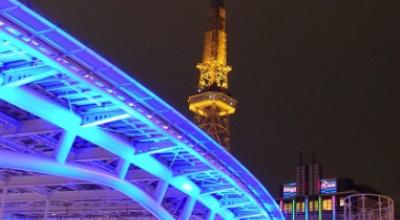
Nagoya Castle, Atsuta Shrine, miso katsu dinner. Explore Sakae's night scene — rooftop bars above the TV Tower, jazz clubs in Nishiki.
NAGOYA CASTLEATSUTA SHRINEMISO KATSU
02
NAGOYA → TAKAYAMA
Wide View Hida limited express (2hr 20min). Afternoon in Sanmachi Suji: sake brewery tour, lacquerware shopping, Hida beef lunch. Evening: Jinya historic government house.
WIDE VIEW HIDASANMACHI SUJISAKE BREWERYHIDA BEEF
03
SHIRAKAWA-GO DAY TRIP
Nohi Bus from Takayama (50min). Walk the UNESCO village, climb the Shiroyama viewpoint hill for the classic gassho-zukuri panorama, visit the Wada House interior. Return to Takayama for dinner.
SHIRAKAWA-GOSHIROYAMA VIEWPOINTWADA HOUSEUNESCO WHS
04
TAKAYAMA → KANAZAWA
Nohi Bus through Shirakawa-go to Kanazawa (2hr 30min). Afternoon: Kenroku-en garden, Kanazawa Castle Park. Evening: Omicho fresh seafood market for dinner — fresh crab and sashimi.
KENROKU-ENOMICHO MARKETKANAZAWA CASTLE
05
KANAZAWA DEEP DIVE
Morning: Higashi Chaya geisha district, gold leaf craft workshop, Nagamachi samurai neighbourhood. Afternoon: 21st Century Museum of Contemporary Art (LeWitt, Turrell, Eliasson). Evening: Katamachi bar district.
HIGASHI CHAYAGOLD LEAF WORKSHOP21C MUSEUMNAGAMACHI
06
KANAZAWA → MATSUMOTO
Hokuriku Shinkansen to Nagano, transfer to Matsumoto (2hrs total). Matsumoto Castle afternoon visit. Nakamachi kura storehouse district evening walk. Dinner: Shinshu soba (buckwheat noodles) — Nagano's most iconic dish.
MATSUMOTO CASTLENAKAMACHI KURASHINSHU SOBA
07
SNOW MONKEYS → DEPARTURE
Early bus to Jigokudani Snow Monkey Park (2.5hrs from Matsumoto via Nagano). 90-minute walk through forest to the onsen pool. Return to Nagano Shinkansen for Tokyo, Kanazawa, or Nagoya connection.
JIGOKUDANISNOW MONKEYSNAGANO SHINKANSEN
01
KAWAGUCHIKO ARRIVAL
Fuji Excursion limited express from Shinjuku (90min). Check in at lakeside inn — book a Mt Fuji-view room. Chureito Pagoda at golden hour. Dinner: Hōtō stew (flat noodles, pumpkin, mountain vegetables in miso broth — Yamanashi's winter speciality).
KAWAGUCHIKOCHUREITO PAGODAHŌTŌ STEWFUJI VIEWS
02
FUJI FIVE LAKES CIRCUIT
Morning: Funayu viewpoint for dawn Fuji reflection over Kawaguchiko. Bus to Saiko — explore lava caves and Narusawa Ice Cave. Bus to Fujikawaguchiko for matcha soft-serve. Afternoon: Oshino Hakkai — eight ponds fed by 80-year-old Fuji snowmelt.
SAIKONARUSAWA ICE CAVEOSHINO HAKKAIFUJI REFLECTION
03
FUJINOMIYA — FUJI SOUTHERN FACE
Train to Shizuoka side (1.5hrs). Fujinomiya Sengen Shrine — the spiritual gateway for Fuji pilgrims. Fuji Sightseeing Farm. Ascend to the 5th Station (Fujinomiya Trail) for cloud-level views in summer. Return via Mishima for shinkansen connection.
FUJINOMIYA SHRINEFUJI 5TH STATIONMIHO NO MATSUBARA
01
KANAZAWA BASE
Arrive Kanazawa via Hokuriku Shinkansen. Kenroku-en, geisha district, Omicho market dinner. Book Tateyama route for Day 3 in advance (limited capacity, especially in May snow-wall season).
KANAZAWAKENROKU-ENBOOK TATEYAMA
02
KANAZAWA → TOYAMA
Shinkansen to Toyama (18min). Afternoon: Toyama glass museum and Masuda residence. Evening: Toyama Bay seafood — white shrimp, seasonal sashimi. Stay in Toyama for early Tateyama departure.
TOYAMA CITYGLASS MUSEUMWHITE SHRIMP
03
TATEYAMA KUROBE ALPINE ROUTE
Full day crossing the Northern Alps. Cable car from Tateyama station, bus to Murodo (2,450m) — snow walls up to 17m high in late April. Ropeway over Daikanbo, trolley bus through Kanden Tunnel. Arrive Omachi (Nagano side) by evening.
TATEYAMA CABLE CARMURODO 2,450M17M SNOW WALLSKUROBE DAM
04
MATSUMOTO & KAMIKOCHI
Train to Matsumoto. Morning: Matsumoto Castle National Treasure. Afternoon bus to Kamikochi (90min): Azusa River walk, Taisho Pond, Kappabashi suspension bridge beneath Hotaka peaks. Return and stay in Matsumoto.
MATSUMOTO CASTLEKAMIKOCHIAZUSA RIVERKAPPABASHI
05
JIGOKUDANI → DEPARTURE
Bus from Matsumoto to Nagano, then bus to Jigokudani Snow Monkey Park (morning for best light and quietest crowds). 40-minute forest walk to the onsen pool. Return to Nagano Shinkansen. Option to continue to Tokyo or Niigata.
JIGOKUDANISNOW MONKEYSNAGANO SHINKANSEN

BEFORE YOU GO

旅の準備 // ESSENTIAL INFORMATION FOR CHŪBU TRAVEL
🚄
JR PASS
  • Covers most Shinkansen except Nozomi/Mizuho
  • Nagoya–Kanazawa: JR Pass valid via Shinano + Shinkansen
  • Tateyama Kurobe: NOT JR Pass compatible, buy separately
  • Wide View Hida (Nagoya–Takayama): JR Pass valid
  • Purchase outside Japan — price rises regularly
🏔️
MOUNTAIN SAFETY
  • Mt Fuji: climbing season July–Sept only; off-season is dangerous
  • Altitude sickness possible above 2,500m — ascend slowly
  • Kamikochi: no private vehicles; open May–November only
  • Tateyama: extreme cold even in summer; layer up
  • Always check official JMA mountain weather forecasts
❄️
WINTER TRAVEL
  • Hokuriku coast (Niigata, Toyama, Ishikawa) receives heavy snow Nov–Mar
  • Shirakawa-go snow illumination: pre-booking essential — limited visitors
  • Ski resorts: Hakuba, Nozawa, Shiga Kogen, Naeba — world-class powder
  • Mountain roads may close without notice; check conditions daily
  • Snow monkeys at Jigokudani: best photo ops in winter
🏯
TIMING & CROWDS
  • Mt Fuji crowds: golden week (late Apr–May) and Aug are busiest
  • Takayama festivals: April 14–15 and Oct 9–10 — book 6+ months ahead
  • Tateyama snow walls peak: mid-to-late April (book early)
  • Shirakawa-go: weekday visits far less crowded than weekends
  • Cherry blossoms: Chureito Pagoda late April (varies by year)
🚌
LOCAL TRANSPORT
  • Nagoya: subway + Meitetsu private rail for city and day trips
  • Kanazawa: Kanazawa Loop Bus covers main sights (¥200 flat)
  • Shirakawa-go: no train; Nohi Bus from Takayama or Kanazawa
  • Kamikochi: shuttle bus from Sawando parking lot only
  • IC cards (Suica/Manaca) work on most buses and trains
🌡️
WHEN TO GO
  • Spring (Mar–May): cherry blossoms, Tateyama snow walls, mild temps
  • Summer (Jun–Aug): Fuji climbing season, Kamikochi at its greenest
  • Autumn (Sep–Nov): koyo foliage in the Alps, Takayama festival
  • Winter (Dec–Feb): skiing, snow monkeys, Shirakawa-go in snow
  • Typhoon season June–October: check forecasts for mountain travel
中部で役立つ言葉 // ESSENTIAL PHRASES FOR CHŪBU — TAP TO COPY
富士山に登りたいです
Fuji-san ni noboritai desu.
I want to climb Mt Fuji.
▶ TAP TO COPY
白川郷はどこですか?
Shirakawa-go wa doko desu ka?
Where is Shirakawa-go?
▶ TAP TO COPY
味噌カツをひとつください
Miso katsu wo hitotsu kudasai.
One miso katsu, please.
▶ TAP TO COPY
日本酒のおすすめは何ですか?
Sake no osusume wa nandesu ka?
What sake do you recommend?
▶ TAP TO COPY
立山までの切符をください
Tateyama made no kippu wo kudasai.
A ticket to Tateyama, please.
▶ TAP TO COPY
雪だらけですね!
Yuki-darake desu ne!
It's completely covered in snow!
▶ TAP TO COPY
このそばは美味しいですね
Kono soba wa oishii desu ne.
This soba is delicious!
▶ TAP TO COPY
温泉はどこにありますか?
Onsen wa doko ni arimasu ka?
Where is the hot spring?
▶ TAP TO COPY

TRIP BUDGET CALCULATOR

CHŪBU // ESTIMATED COSTS IN ¥ // SELECT CURRENCY TO CONVERT
7 DAYS
ESTIMATED TOTAL (EXCL. FLIGHTS)
¥0
中部
JAPAN.GG // CHŪBU // 2026 EDITION
35°N 137°E // THE ALPINE CORE OF JAPAN
← JAPAN.GG HOME KANTŌ GUIDE →