JAPAN.GG // DESTINATION NORTH EAST
LOADING: 東北 // TŌHOKU // THE RESILIENT NORTH
JAPAN.GG
38°N // 140°E // 6 PREFECTURES // SPIRIT OF THE NORTH
ESTABLISHING CONNECTION ████████████ 100%
TŌHOKU | 38.2682°N 140.8694°E | 66,889 KM²
SENDAI LOCAL TIME: --:--:-- | JST UTC+9
JAPAN.GG | 2026 EDITION
🔥 EMBERS

DESTINATION NORTH EAST // JAPAN.GG // 2026 EDITION

TŌHOKU

東北 — THE RESILIENT NORTH

SIX PREFECTURES OF FIRE, SNOW & SPIRIT

66,889 km² // NEBUTA MATSURI // ZAO SNOW MONSTERS // JUYONDAI SAKE // MATSUSHIMA

CLASSIFIED
DESTINATION
INTEL
// JPN-THK //

▼ SCROLL TO EXPLORE ▼

00

QUICK FACTS

6
PREFECTURES
Aomori, Iwate,
Akita, Miyagi,
Yamagata, Fukushima
66K
KM²
Land area —
17% of Japan
9M
PEOPLE
Population
(declining)
−10°
CELSIUS
Winter low
(Aomori City)
3
UNESCO SITES
Chūson-ji, Mōtsu-ji
& Hiraizumi
300
SAKE BREWERIES
Tohoku is
Japan's sake kingdom
1000
YEARS OLD
Miharu Takizakura
cherry tree
2011
REBUILT
The Sanriku Coast
resilience story
01

SIX PREFECTURES

THE BEATING HEART OF NORTHERN JAPAN — EXPLORE ALL SIX
01
🏔️
AOMORI
青森県 // AOMORI-KEN
JAPAN'S NORTHERNMOST HONSHU PREFECTURE // THE FIRE & SNOW GATEWAY

Aomori is where Honshu ends and the spirit of the north begins. Home to the most electric summer festival in Japan, the world-class Hakkōda ski resort, the mystical sacred mountain Osorezan, and more apple orchards than anywhere else in the country. The Tsugaru Strait separates it from Hokkaido by just 23km.

🏮
NEBUTA MATSURI // AUG 2–7
Colossal illuminated paper floats of warrior gods parade through Aomori City at night. One of Japan's three great festivals — 3 million visitors, haneto dancers in indigo costumes, deafening taiko. The most viscerally exciting festival in Japan.
🌋
OSOREZAN (MOUNT DREAD)
A desolate volcanic caldera at the edge of the world — sulphur vents, dead grey terrain, and a bright blue sacred lake. Japan's gateway to the afterlife in Buddhist tradition. Itako mediums commune with the dead at summer festivals.
⛷️
HAKKŌDA MOUNTAINS
Japan's premier backcountry skiing destination — massive snowfall, ropeway access to powder fields. Also Japan's deadliest military disaster site (1902: 199 soldiers lost). Stunning autumn foliage and world-class onsen ryokan.
NEBUTA MATSURIOSOREZANHAKKŌDA SKIHIROSAKI CHERRYAPPLES
→ AOMORI DEEP DIVE
02
🗿
IWATE
岩手県 // IWATE-KEN
JAPAN'S SECOND LARGEST PREFECTURE // THE PREFECTURE OF LEGENDS

Iwate is Japan's second largest prefecture by area — vast, mountainous, and steeped in legend. Morioka is a surprisingly cosmopolitan castle city; Hiraizumi holds UNESCO World Heritage temples that once rivalled Kyoto's splendour; and the rebuilt Sanriku Coast stands as a testament to human resilience after 2011.

CHŪSON-JI KONJIKIDŌ // UNESCO
A 12th-century Buddhist hall entirely sheathed in gold leaf and decorated with mother-of-pearl and lacquer. Built to represent the Pure Land on earth. Contains the mummified remains of four Fujiwara lords. One of Japan's most breathtaking interiors.
🍜
WANKO SOBA CHALLENGE
Morioka's famous eating challenge — waiters continuously refill your bowl with small soba portions until you slam the lid. The record is over 500 portions. A truly unique Iwate experience that no other prefecture can claim.
🏖️
SANRIKU COAST // REBUILT
The rugged Rias coastline south of Miyako — dramatic sea cliffs, sea kayaking, and some of Japan's finest oysters and sea urchin, farmed in the cold Pacific waters. The rebuilt fishing villages carry a profound emotional weight.
CHŪSON-JI UNESCOWANKO SOBAMORIOKASANRIKU OYSTERSJŌDOGAHAMA
→ IWATE DEEP DIVE
03
🥶
AKITA
秋田県 // AKITA-KEN
THE COLD NORTHWEST // RICE COUNTRY // SPIRIT OF THE NAMAHAGE

Akita faces the Sea of Japan and receives some of Honshu's heaviest snowfall. This has shaped everything: the rice wine (sake), the isolation that preserved ancient folklore, and the slow, deliberate character of the region. Lake Tazawa is Japan's deepest lake — an electric cobalt blue that never freezes. The Namahage tradition is inscribed on UNESCO's Intangible Heritage list.

🗡️
NAMAHAGE // UNESCO INTANGIBLE
On New Year's Eve, men of Oga Peninsula dress as horned demon deities (Namahage) and visit homes demanding to know if children have been lazy. An ancient rite of moral instruction that terrifies and delights in equal measure. The Namahage Museum runs demonstrations year-round.
🏮
KANTO FESTIVAL // AUGUST
Performers balance bamboo poles with 46 paper lanterns (Kanto) totalling 50kg on their foreheads, palms, and hips. An extraordinary test of skill — the crowd falls silent as each performer takes the weight. One of Tohoku's four great summer festivals.
💙
LAKE TAZAWA
Japan's deepest lake at 423 metres — the water is so deep it never freezes even in Akita's brutal winters, producing a luminous cobalt blue unlike any other lake in Japan. Surrounding mountains offer hiking and the Tazawako ski area.
NAMAHAGEKANTO FESTIVALLAKE TAZAWAAKITA SAKENOSHIRO CEDAR
→ AKITA DEEP DIVE
04
🕊️
MIYAGI
宮城県 // MIYAGI-KEN
THE GATEWAY TO TŌHOKU // SENDAI CAPITAL // MATSUSHIMA

Miyagi is Tōhoku's gateway and its largest city — Sendai (population 1.1 million) is the region's de-facto capital, rebuilt flawlessly after 2011 into a green, tree-lined city of broad boulevards. Matsushima Bay is one of Japan's three most celebrated scenic views. The prefecture also produces Japan's finest oysters, tantalising grilled beef tongue, and the beloved Sendai miso.

🌲
MATSUSHIMA BAY // TOP 3 SCENIC VIEW
Over 260 pine-covered islands scatter across a protected bay — Japan's most celebrated scenic landscape alongside Amanohashidate and Miyajima. Boat cruises at sunrise are ethereal. Zuigan-ji Temple is an extraordinary Zen complex carved from solid cliff face.
🥩
GYUTAN (BEEF TONGUE) // SENDAI
Sendai invented gyutan cuisine in 1948 and remains its uncontested capital. Thick-cut beef tongue, grilled over charcoal, served with麦ごはん (barley rice) and a sour oxtail soup. Ichinoseki Rikyu on Kokubuncho-dori is the original institution.
🏯
AOBA CASTLE + SENDAI
The seat of the Date clan, Tohoku's most powerful samurai family. Masamune Date (the One-Eyed Dragon) built a city here in 1600 that remains Tohoku's beating heart. The castle ruins offer sweeping views of the city and Pacific coast.
MATSUSHIMAGYUTANSENDAI CITYZUIGAN-JISENDAI OYSTERS
→ MIYAGI DEEP DIVE
05
🥩
YAMAGATA
山形県 // YAMAGATA-KEN
THE MOUNTAIN FORM // SAKE KINGDOM // SNOW MONSTERS

Yamagata translates literally as "mountain form" — and the prefecture is defined entirely by its extraordinary mountain landscapes: the holy Dewa Sanzan pilgrimage mountains, the alien Zao volcano with its crater lake, and the Yamadera (Mountain Temple) hewn directly into a cliff face. Yamagata's cold winters and pure rice produce what many consider Japan's finest sake.

❄️
ZAO JUHYŌ (SNOW MONSTERS)
When freezing winds blast moisture-laden air onto the trees of Zao, they become encased in ice into otherworldly humanoid shapes. Juhyō (ice monsters) cover the mountain from December to mid-March. Ropeway to the summit with night illuminations is unmissable.
🍶
JUYONDAI // RAREST SAKE ON EARTH
Brewed by Takagi Shuzo in Murayama since 1615, Juyondai (十四代) is arguably the most sought-after sake on earth. Near-impossible to find outside Yamagata. Its fruity, elegant ginjo profile redefined modern premium sake. A bottle at source changes how you understand the drink.
⛩️
YAMADERA (RISSHAKU-JI TEMPLE)
A Zen temple complex built into vertical cliff faces in 860 AD. 1,015 stone steps through ancient cedar forest lead to the summit hermitage — the view over the valley inspired Matsuo Bashō's most famous haiku. Non-negotiable Tohoku experience.
ZAO SNOW MONSTERSJUYONDAI SAKEYAMADERADEWA SANZANZAO ONSEN
→ YAMAGATA DEEP DIVE
06
🌸
FUKUSHIMA
福島県 // FUKUSHIMA-KEN
RECOVERY & RESILIENCE // ANCIENT CHERRY // AIZU SAMURAI

Fukushima is a prefecture that has refused to be defined by a single catastrophic event. Its resilience is written across three distinct regions: the Pacific coastal Hamadōri, the central Nakadōri with ancient cherry trees and fruit orchards, and the historic Aizu domain — one of Japan's last samurai strongholds, now a beautifully preserved castle town. The sake is exceptional, the persimmons legendary.

🌸
MIHARU TAKIZAKURA
A 1,000-year-old weeping cherry tree that cascades like a waterfall of pink blossoms — one of Japan's three great trees. Its branches spread 25 metres, arching to the ground. Mid-April is peak bloom. Arrive at dawn to witness it before the crowds.
🏯
AIZU-WAKAMATSU // SAMURAI CITY
The last great samurai stronghold — Tsurugajō Castle, the story of the Byakkotai (White Tiger Unit) teenagers who died on Mt Iimori, and Ouchijuku's thatched-roof post town preserved perfectly from the Edo period. The most atmospheric samurai city outside Kyoto.
🍑
FUKUSHIMA FRUIT & SAKE
Fukushima produces Japan's most awarded sake — the prefecture has won more gold medals at Japan's most prestigious sake competition than any other. Its peaches, pears, and apples are sold for extraordinary prices at Tokyo department stores as premium gifts.
MIHARU CHERRYAIZU CASTLEOUCHIJUKUFUKUSHIMA SAKEPEACHES
→ FUKUSHIMA DEEP DIVE
LIVE STREET VIEW // MATSUSHIMA, MIYAGI
VIBE CHECK: MATSUSHIMA BAY
📍 ONE OF JAPAN'S THREE MOST CELEBRATED SCENIC VIEWS

Pine islands scattered across a protected bay. Poets wrote about this place for a thousand years. Drag to explore. This is what you come to Tōhoku for.

02

2026 FESTIVALS

TŌHOKU HAS FOUR OF JAPAN'S GREATEST FESTIVALS — ALL IN AUGUST
AUG 2–7, 2026
AOMORI NEBUTA MATSURI
📍 AOMORI CITY — AOMORI PREFECTURE

The most viscerally exciting festival in Japan. Colossal illuminated floats of warrior gods and mythological scenes — some 5m tall, 9m wide — parade through Aomori City after dark, carried on cranes of human shoulders. Haneto dancers in blue cotton costumes surge alongside shouting "RASSERA!" 3 million visitors. Night illuminations are electric. The Nebuta Warasse museum lets you experience the floats year-round.

FREE VIEWING SPOTS ONE OF JAPAN'S 3 GREAT FESTIVALS
AUG 3–6, 2026
AKITA KANTO MATSURI
📍 AKITA CITY — AKITA PREFECTURE

Performers balance bamboo poles laden with up to 46 paper lanterns (totalling 50kg) on their foreheads, palms, and hips — each flickering light representing a grain of rice in a prayer for a bountiful harvest. The atmosphere is reverent silence broken by gasps. One of Tohoku's four great summer festivals, often overlooked by foreign visitors — which means better positions to watch.

FREE VIEWING UNESCO INTANGIBLE HERITAGE
AUG 5–8, 2026
SENDAI TANABATA MATSURI
📍 SENDAI CITY — MIYAGI PREFECTURE

Japan's largest Tanabata festival transforms Sendai's shopping arcades with millions of hand-crafted bamboo decorations — enormous cascading paper ornaments in every colour. The festival commemorates the star-crossed lovers Orihime and Hikoboshi. The day before (Aug 5) features a massive fireworks display over the Hirose River. The entire city becomes a dreamscape.

FREE TO WALK 2 MILLION VISITORS
AUG 1–7, 2026
YAMAGATA HANAGASA MATSURI
📍 YAMAGATA CITY — YAMAGATA PREFECTURE

10,000 dancers parade through Yamagata City wearing straw hats adorned with safflower blossoms (hanagasa), performing a flowing choreography to the haunting Hanagasa Ondo folk song. The final evening draws 200,000 spectators and the dance route becomes a river of straw hats and lanterns. Entry free. Fourth of Tohoku's great summer festivals.

FREE ENTRY 10,000 DANCERS
DEC – MAR 2026
ZAO JUHYŌ ILLUMINATION
📍 ZAO ONSEN — YAMAGATA PREFECTURE

After dark, the ropeway carries you up to an alien landscape: trees completely encased in ice formations, lit from below in shades of blue, violet and crimson. The Snow Monsters rise 2 to 3 metres from the ground, humanoid shapes in a white-out world. Night illuminations run most evenings from mid-January through February. Day skiing among the Juhyō is equally extraordinary.

ROPEWAY REQUIRED NIGHT ILLUMINATIONS
FEB 2026
YOKOTE KAMAKURA FESTIVAL
📍 YOKOTE — AKITA PREFECTURE

Children build igloo-like snow huts (kamakura) across Yokote, then invite passersby inside to drink amazake (sweet rice wine) and eat rice cakes around a small altar. The tradition is 450 years old. Hundreds of kamakura glow softly in the winter night — one of Japan's most intimate and heart-warming winter experiences.

FREE TO ENTER 450-YEAR TRADITION
JAN – FEB 2026
OSOREZAN WINTER FESTIVAL
📍 OSOREZAN — AOMORI PREFECTURE

The sacred volcanic caldera at Osorezan (Mount Dread) — Japan's literal gateway to the afterlife — is accessible only three times a year. The winter festival draws Itako (blind female mediums) who conduct kuchiyose — channelling messages from the dead to the living. An ancient, deeply moving, and entirely unique spiritual experience.

SPIRITUAL EXPERIENCE
MID-APRIL 2026
MIHARU TAKIZAKURA BLOOM
📍 MIHARU TOWN — FUKUSHIMA PREFECTURE

A 1,000-year-old weeping cherry tree erupts in blossoms each mid-April — branches cascading to the ground in a waterfall of pale pink. One of Japan's three great trees, listed as a Natural Monument. The surrounding hillside fills with cherry trees creating a layered landscape unlike any other sakura spot. Dawn is essential — arrive before 6am.

FREE TO VIEW 1000-YEAR-OLD TREE
LATE APRIL – EARLY MAY 2026
HIROSAKI CHERRY BLOSSOM FESTIVAL
📍 HIROSAKI CASTLE PARK — AOMORI

Over 2,600 cherry trees surround Hirosaki Castle — one of Japan's original 12 surviving feudal castles. The moat fills with fallen petals creating a "flower raft" (hanaikada) that is one of Japan's most photographed natural phenomena. The festival begins as Tohoku's cherry season opens, weeks after Tokyo's has ended — giving travellers a second spring.

FREE (CASTLE ENTRY ¥320) 2,600 CHERRY TREES
03

WHEN TO VISIT

❄️ WINTER — DEC TO MAR

Tohoku's winters are severe — particularly on the Japan Sea coast (Akita, Yamagata) where Siberian cold fronts dump metres of snow. This is also when the region is at its most otherworldly: Zao's Snow Monsters illuminate against black winter skies, Yokote's kamakura igloos glow amber in February evenings, and Hakkōda's powder fields rival Hokkaido for quality.

The Sanriku Coast (Iwate, Miyagi) is milder than inland areas due to Pacific influence. Onsen culture peaks in winter — Naruko, Nyūtō, and Zao are some of Japan's finest hot spring destinations, surrounded by snow-laden cedar forests. Book ryokan 3+ months ahead for February.

AOMORI TEMP
−4°°C AVG JAN
ZAO SNOW MONSTERS
DEC– MID MAR
SKI RESORTS
10+IN REGION
KAMAKURA FESTIVAL
FEBYOKOTE
CROWD LEVEL
LOWEXCEPT ZAO

🌸 SPRING — APR TO MAY

Cherry blossoms arrive in Tohoku almost a month after Tokyo — giving travellers the extraordinary opportunity to follow the blooms north. Sendai blooms in late March; Yamagata and Akita in mid-April; Hirosaki (Aomori) in late April with the petal-raft moat. The Miharu Takizakura in Fukushima peaks mid-April for one of Japan's most moving sakura experiences.

Late April and early May are arguably the single best time to visit Tohoku: cherry blossoms without the crowds of Kyoto, cool and fresh air, winter snow still on the high peaks, and the spring festivals beginning in earnest. Golden Week (late April–early May) brings Japanese domestic visitors but foreign tourist numbers remain manageable.

SENDAI BLOSSOM
LATEMARCH
HIROSAKI BLOSSOM
LATEAPRIL
TEMPERATURE
12°°C AVG MAY
CROWD LEVEL
LOW–MEDBEST VALUE

🔥 SUMMER — JUL TO AUG

The four great summer festivals of Tohoku (Nebuta, Kanto, Sendai Tanabata, Hanagasa) all fall within the first two weeks of August — making early August the single best window to experience Tohoku's extraordinary festival culture. Temperatures are pleasant at 25–30°C, far less humid than Tokyo. Book accommodation for festival weeks 6+ months ahead.

Summer is also when the mountains open fully for hiking: Dewa Sanzan in Yamagata, the Hakkōda Ridge in Aomori, and the backcountry trails of Iwate's Hayachine massif. Sea kayaking and seafood in the rebuilt Sanriku fishing villages are summer highlights unique to Tohoku.

TEMPERATURE
27°°C AVG AUG
FESTIVAL WINDOW
AUG1–8 KEY DATES
CROWD LEVEL
HIGHFESTIVAL DAYS
HIKING
PEAKJUL–AUG

🍂 AUTUMN — SEP TO NOV

Tohoku's autumn foliage is some of Japan's finest and least visited. The Dewa Sanzan mountains in Yamagata turn crimson from mid-September; Yamadera's cliff-face temple surrounded by maple fire is one of Japan's most extraordinary autumn scenes; Matsushima's pine islands in October take on a completely different character as the trees around the bay begin to change.

Autumn also marks the best season for sake tasting — new sake (Shiboritate/Shinshu) is released from November, and Tohoku's breweries welcome visitors throughout October. The apple harvest in Aomori and pear harvest in Fukushima make autumn an outstanding food season.

TEMPERATURE
14°°C AVG OCT
FOLIAGE START
MIDSEPTEMBER
SAKE RELEASE
NOVSHIBORITATE
CROWD LEVEL
LOWBEST KEPT SECRET
04

SAKE KINGDOM

TŌHOKU'S COLD WINTERS, PURE SNOWMELT WATER & PREMIUM RICE PRODUCE JAPAN'S FINEST SAKE
👑
JUYONDAI
十四代 // TAKAGI SHUZO // MURAYAMA, YAMAGATA

The single most sought-after sake in Japan. Brewed since 1615, Juyondai exploded into legend in the 1990s when Takagi Hiroki revived a struggling family brewery with radical fruity ginjo techniques. The elegant, melon-scented profile redefined modern premium sake. Near-impossible to find outside Yamagata; resale prices exceed ¥100,000 per bottle. If you see it — buy it.

FIND IT AT: MURAYAMA CITY · SELECT YAMAGATA IZAKAYA · SENDAI SPECIALTY SHOPS
🌾
URAKASUMI
浦霞 // SAURA // SHIOGAMA, MIYAGI

One of Japan's most internationally acclaimed sake breweries, located beside Matsushima Bay in Shiogama. Urakasumi Junmai is the benchmark for clean, food-pairing sake. The brewery's annual new sake festival in January draws pilgrims from across Japan. The "Zen" label is their most accessible and widely distributed.

FIND IT AT: SHIOGAMA BREWERY (TOURS AVAILABLE) · SENDAI
🏔️
DEWAZAKURA
出羽桜 // DEWAZAKURA SAKE // TENDO, YAMAGATA

The brewery that pioneered ginjo sake for the mass market — their "Oka" (Cherry Bouquet) ginjo in 1980 introduced the fruity, delicate style to a generation of drinkers. Located in Tendo, Yamagata's chess-playing city, the brewery sits beside an ancient park of 1,500 cherry trees. Tours available year-round.

FIND IT AT: TENDO BREWERY (TOURS) · WIDELY AVAILABLE IN YAMAGATA
❄️
KARIHO
刈穂 // KARIHO SAKE // DAISEN, AKITA

Akita's defining sake character: dry, clean, and mineral — a direct expression of the pure snowmelt water from the Ou Mountains. Kariho "Rokubai" (super-dry) is the definitive expression of Akita's sake identity. Paired with the prefecture's smoked hata-hata fish, it is a combination found nowhere else on earth.

FIND IT AT: DAISEN BREWERY · AKITA CITY SPECIALTY STORES
🎌
FUKUSHIMA AWARD SAKE
福島の酒 // NATIONAL GOLD MEDAL LEADERS

Fukushima Prefecture has won the most gold medals at the National New Sake Appraisal for three consecutive decades — a record of consistency unmatched anywhere. Key breweries: Aizumusume (Wakamatsu), Suehiro (Aizu), and Kokken. The cool Aizu basin climate produces sake of extraordinary purity and depth. Highly underrated internationally.

FIND IT AT: AIZU-WAKAMATSU SAKE STREET · FUKUSHIMA SAKE FESTIVALS
🌊
NANBU BIJIN
南部美人 // NANBU BIJIN // NINOHE, IWATE

One of Japan's most export-focused breweries — a conscious ambassador for Iwate sake on the world stage. Their "Southern Beauty" junmai daiginjo uses Iwate's famous Nanbu Toji brewing tradition (the most prestigious lineage of master brewers) with local Ginotome rice. Beautiful floral nose, clean finish.

FIND IT AT: NINOHE BREWERY (TOURS) · INTERNATIONAL SPECIALISTS
05

FOOD & REGIONAL DISHES

SIX PREFECTURES — SIX DISTINCT FOOD IDENTITIES — ALL EXTRAORDINARY
🥩
GYUTAN
宮城 MIYAGI // BEEF TONGUE BBQ

Sendai invented gyutan cuisine in 1948 when chef Sano Keishiro experimented with beef tongue (until then discarded) — thick-cut, marinated for 24 hours, and grilled over binchotan charcoal. Served with麦ごはん (barley rice), pickled vegetables, and an oxtail consommé. The definitive Sendai meal. Queue for Rikyu or Kisuke in Sendai Station.

BEST AT: RIKYU (SENDAI) · KISUKE (SENDAI STATION)
🍜
WANKO SOBA
岩手 IWATE // RELAY SOBA BOWLS

Morioka's iconic eating tradition: a server refills your small bowl with soba noodles the instant you empty it, counting each bowl. Eating continues until you slam the lid shut. Average is 50–60 bowls; the record exceeds 500. An extraordinary combination of food and theatre found nowhere else in Japan.

BEST AT: AZUMAYA (MORIOKA) · BANYA (MORIOKA)
🦪
SANRIKU OYSTERS
岩手・宮城 IWATE & MIYAGI

The rebuilt oyster farms of the Sanriku Coast produce what many chefs consider Japan's finest oysters — fat, cold-water Pacific oysters with a mineral, ocean-fresh character. Matsushima Bay's oysters (kaki) are available in season (Sept–March) at roadside stalls directly from the boats. Grilled over charcoal on the harbour.

BEST AT: MATSUSHIMA HARBOUR · KESENNUMA PORT
🍎
AOMORI APPLES
青森 AOMORI // 50% OF JAPAN'S APPLES

Aomori produces over half of Japan's entire apple harvest — and the quality is in a different category from what you find elsewhere. The Fuji variety from Aomori has won international competitions; a single premium apple can cost ¥3,000 in Tokyo. Apple pie, apple juice, apple cider, apple onsen (Hirosaki), and apple wood-smoked salmon — the apple pervades everything.

BEST AT: HIROSAKI APPLE PARK · AOMORI CITY MARKETS
🍑
FUKUSHIMA PEACHES
福島 FUKUSHIMA // PREMIUM FRUIT

Fukushima peaches are displayed and sold as luxury items in Tokyo department stores — a single boxed peach can cost ¥2,000–¥3,000. The Fukushima Basin's warm sunny days and cool nights produce fruit of exceptional sweetness and fragrance. August is peak season; roadside stands outside Fukushima City charge a fraction of Tokyo prices.

BEST AT: FUKUSHIMA CITY ROADSIDE STANDS · AUGUST HARVEST SEASON
🫕
KIRITANPO NABE
秋田 AKITA // RICE STICK HOT POT

Akita's signature winter dish: cooked rice pounded onto cedar skewers and grilled until golden, then simmered in a rich chicken and burdock broth with Akita's distinctive maitake mushrooms and green onions. A dish so anchored to Akita that ingredients are difficult to source outside the prefecture. Eat it in a farmhouse in Kakunodate.

BEST AT: KAKUNODATE (AKITA) · AKITA CITY IZAKAYA
🥟
GYŪTAN MISO DONBURI
宮城 MIYAGI // SENDAI MISO

Sendai miso — aged for two years in cedar barrels — is one of Japan's most distinctive regional condiments: darker, saltier, and more complex than standard miso. Used in everything from ramen to dengaku glazes. A bowl of rice with grilled beef tongue and a spoonful of Sendai miso is the simplest and most complete expression of Miyagi's food culture.

BEST AT: SENDAI MISO SHOPS · SENDAI MORNING MARKETS
🌺
IMONI FESTIVAL
山形 YAMAGATA // AUTUMN RIVER FEAST

Every September, tens of thousands gather beside the Mamigasaki River in Yamagata City for the Imoni Festival — arguably Japan's largest outdoor cooking event. Thirty-tonne cauldrons cooked with industrial cranes produce beef and taro root stew for 30,000 people simultaneously. A joyful, uniquely Yamagata experience that makes no sense but works completely.

BEST AT: MAMIGASAKI RIVER (YAMAGATA) · SEPTEMBER FESTIVAL
06

ONSEN GUIDE

TŌHOKU'S VOLCANIC GEOGRAPHY CREATES SOME OF JAPAN'S MOST REVERED HOT SPRINGS
NYŪTŌ ONSEN
♨️ MILKY SULPHUR · DEEP MOUNTAIN FOREST

Seven distinct ryokan deep in the mountains of Akita, each with their own natural spring — milky white, opaque, and intensely mineral. No mobile signal, no convenience stores. The famous Tsuru-no-yu (Crane's Bath) has been operating since the 17th century and remains one of Japan's most atmospheric ryokan, with outdoor baths in the snow surrounded by ancient beech forest.

WATER: 40–75°C at source // BEST: WINTER (SNOWBOUND FOREST)
ZAO ONSEN
🌋 STRONG ACID · SKI-IN ACCESS

One of Japan's most acidic hot springs — pH 1.2, which means white skin and hair afterwards. The Zao Dai Rotemburo (Great Open-Air Bath) is 166 metres long, Japan's largest outdoor communal bath. After a day skiing among the Snow Monsters, sliding into Zao's scalding acid bath is a fundamental Tohoku experience. The water literally heals muscle damage.

pH: 1.2 (EXTREMELY ACIDIC) // COMBO: SKI + ONSEN
NARUKO ONSEN
🍂 SODIUM CARBONATE · KOKESHI CRAFT VILLAGE

The birthplace of Kokeshi dolls — the handcrafted wooden toys that have become Japan's most iconic folk craft souvenir. Five distinct spring types in a single compact gorge town, surrounded by blazing autumn foliage (mid-October peak). Famous for a kokeshi carving workshop experience alongside a traditional onsen stay. The gorge itself is extraordinary.

FEATURE: KOKESHI CRAFT WORKSHOPS // BEST: AUTUMN FOLIAGE
SUKAYU ONSEN
🏔️ SULPHUR · HAKKŌDA MOUNTAINS

A 300-year-old inn at the foot of Hakkōda — Japan's most famous senninburo (thousand-person bath), a single enormous mixed-sex communal bath with towering cedar ceilings. The entire structure creaks like a ship in the winter wind. Skiers from Hakkōda collapse into its sulphur waters at the end of each powder day. Utterly timeless.

BATH SIZE: LARGEST CEDAR BATH IN JAPAN // ACCESS: HAKKŌDA BUS
HIGASHIYAMA ONSEN
🏯 SODIUM CHLORIDE · AIZU CASTLE TOWN

The historic hot spring town attached to Aizu-Wakamatsu — the samurai city of Fukushima. Traditional ryokan line the Yukawalimited River through a narrow mountain valley. After exploring Tsurugajō Castle and Ouchijuku, the Higashiyama ryokan serve outstanding Aizu kaiseki dinners with local mountain vegetables, river fish, and Fukushima's finest sake.

PAIRING: AIZU SAMURAI CULTURE // CUISINE: AIZU KAISEKI
OSAWA ONSEN
🌿 SIMPLE ALKALINE · HANAMAKI, IWATE

Set in a forested river gorge in Hanamaki, Iwate — the birthplace of poet Miyazawa Kenji, whose surreal fairy tales are inseparable from Iwate's identity. The bath building's weathered wooden architecture hangs over the Ohtori River. Three distinct spring types. Combine with a visit to Miyazawa's birthplace and the Kenji Fairy Tale Village for a profound Iwate immersion.

SETTING: HANAMAKI RIVER GORGE // NEAR: MIYAZAWA KENJI SITES

♨️ TŌHOKU ONSEN ETIQUETTE

Wash thoroughly before entering. Tattoos prohibited at most traditional onsen — Naruko and Zao have some tattoo-friendly options (confirm ahead). Mixed-gender baths (konyoku) like Sukayu require a minimal towel covering. Remove all jewellery — Zao's acid water will corrode metals. Drink water before and after. Enter slowly.

07

NATURE & WILDLIFE

🐻
ASIATIC BLACK BEAR

Tohoku's mountain forests are home to Japan's Tsuki-no-wa kuma (moon bear). Unlike Hokkaido's aggressive brown bears, Tohoku's bears are generally reclusive. Beware on Dewa Sanzan trails (Yamagata) and in Iwate's backcountry during late autumn foraging. Bear bells essential. Encounters are rare but not unknown.

🦅
WHITE-TAILED EAGLE

The Sanriku Coast and Matsushima Bay host Japan's largest concentrations of Steller's sea eagles and white-tailed eagles in winter. Birdwatchers come from across Asia to witness dawn flights above the pine islands. The rebuilt coastal wetlands have created new habitats post-2011.

🌊
SANRIKU COASTLINE

The rias coastline of Iwate and northern Miyagi — dramatic inlets carved by ancient sea erosion — creates some of Japan's most extraordinary coastal scenery. Jōdogahama (Pure Land Beach) near Miyako is often called Japan's most beautiful beach, with white pebbles surrounded by sea-carved white rock spires.

🌿
SHIRAKAMI SANCHI

On the Aomori-Akita border: the world's largest remaining virgin beech forest, UNESCO World Heritage since 1993. Japan's most pristine temperate forest ecosystem — ancient beech trees, crystal streams, and the sense of being genuinely remote. Trekking permits required for core zones.

🏔️
DEWA SANZAN

Three sacred mountains of Yamagata — Haguro (eternal life), Gassan (death), and Yudono (rebirth). A pilgrimage that has been walked for 1,400 years. The ancient cedar avenue to Haguro's five-storey pagoda is one of Japan's most spiritually charged walking routes. Yamabushi (mountain ascetics) still perform fire rituals here.

❄️
ZAO CRATER LAKE

Okama, the crater lake of Zao volcano, is a perfect circle of electric acid-green water — the colour shifts from emerald to azure depending on cloud cover and volcanic activity. It sits at 1,625m and is frozen December–April. The ropeway above the snow monsters passes near the rim.

08

SAMPLE ITINERARIES

01

ARRIVE SENDAI

Shinkansen from Tokyo to Sendai (90 min). Check in. Dinner: gyutan at Rikyu in Sendai Station. Walk Ichibancho covered arcade. First Sendai miso ramen at a counter restaurant in Kokubuncho. Scout Tanabata bamboo displays going up across the arcade roofs.

SENDAI STATIONGYUTAN RIKYUKOKUBUNCHO
02

MATSUSHIMA + SENDAI TANABATA

Morning train to Matsushima (40 min). Sunrise boat cruise, Zuigan-ji Temple. Freshly grilled oysters at the harbour market. Return to Sendai for Tanabata decorations (Aug 6–8). Evening fireworks over Hirose River on Aug 5. Sendai's arcades transformed — millions of hand-made bamboo ornaments.

MATSUSHIMA BOAT CRUISEZUIGAN-JITANABATA ARCADESFIREWORKS AUG 5
03

SHINKANSEN NORTH → AKITA KANTO

Shinkansen Sendai → Akita (1hr 40min). Check in. Explore Akita City. Evening: Kanto Festival (Aug 3–6) — arrive at the main street by 7pm for the best viewing positions. Performers balance 50kg bamboo poles of lanterns on their foreheads. Stay for the finale. Akita sake and hata-hata fish at a local izakaya after.

AKITA SHINKANSENKANTO FESTIVALHATA-HATA IZAKAYA
04

KAKUNODATE SAMURAI TOWN

Local train to Kakunodate (45 min from Akita). Japan's best-preserved samurai district — black-walled samurai residences lining cherry-tree boulevards. Lunch: kiritanpo nabe in a historic merchant house. Afternoon: weeping cherry trees along the Hinokinai River (spring) or gold foliage (autumn). Return Akita for night.

SAMURAI DISTRICTKIRITANPO NABEHINOKINAI RIVER WALK
05

EXPRESS TO AOMORI — NEBUTA EVE

Limited Express to Aomori (2.5hr). Check in early. Visit Nebuta Warasse Museum to understand the float construction. Afternoon: explore Aomori Marche and try fresh apple products. Evening: first night of Nebuta Matsuri (Aug 2–7) — secure a seat on the grandstands or join the haneto dancers in costume.

NEBUTA WARASSE MUSEUMNEBUTA MATSURI NIGHT 1HANETO DANCING
06

NEBUTA FULL DAY + HIROSAKI

Morning: Hirosaki by train (45 min) for the famous castle and apple orchards. Afternoon: return Aomori for the Nebuta sea parade finale (Aug 7 — floats paraded onto decorated boats in the harbour). This is the most dramatic moment of the entire festival. Seafood at Aomori Gyosai Center.

HIROSAKI CASTLENEBUTA SEA PARADEAOMORI SEAFOOD
07

DEPARTURE + YAMAGATA BONUS

Shinkansen south. Optional Yamagata stop (add 1–2 days): Yamadera cliff temple, Zao Onsen, sake tasting in Tendo. Or return direct to Tokyo from Sendai (1.5hr Shinkansen). Final omiyage: Aomori apples, Tohoku sake selection, Naruko kokeshi dolls.

YAMADERA OPTIONALSENDAI OMIYAGESHINKANSEN TOKYO
01

ARRIVE YAMAGATA → ZAO ONSEN

Shinkansen to Yamagata (2h 30min from Tokyo). Bus to Zao Onsen ski village (40 min). Gear rental. First afternoon skiing among the emerging Juhyō formations. Evening: Zao's famous Dai Rotemburo outdoor bath (pH 1.2, Japan's largest communal outdoor bath, 166m long). Dinner at the ski lodge.

YAMAGATA SHINKANSENZAO ONSENDAI ROTEMBURO ONSEN
02

ZAO SNOW MONSTERS — DAY & NIGHT

Full day skiing the Zao resort with Juhyō (Snow Monsters) lining every run from mid-December. Ropeway to the summit for the densest monster formations. Evening: Night illumination ropeway — the Snow Monsters lit in crimson and violet light. One of Japan's most extraordinary visual experiences. Return to onsen after.

ZAO SKI AREASNOW MONSTERS DAYTIMENIGHT ILLUMINATION ROPEWAY
03

YAMADERA SNOW + SAKE TASTING

Morning: Yamadera cliff temple in winter snow — extraordinary atmosphere, far fewer visitors than spring/autumn. 1,015 steps through snow-covered cedar forest. Afternoon: Sake tasting at Dewazakura Brewery in Tendo (tours available). Evening: Back to Sendai for gyutan dinner.

YAMADERA WINTERDEWAZAKURA BREWERYSENDAI GYUTAN
04

NYŪTŌ ONSEN — AKITA

Train to Tazawako (1hr from Akita City). Bus to Nyūtō Onsen valley in the mountains. Check in to Tsuru-no-yu ryokan (book 6+ months ahead). Full immersion in Japan's most atmospheric onsen — milky white sulphur baths, beech forest, complete silence except for snow. Kaiseki dinner with Akita Sake.

TAZAWAKO STATIONTSURU-NO-YU RYOKANNYŪTŌ ONSEN
05

LAKE TAZAWA + RETURN

Morning: Lake Tazawa in winter — Japan's deepest lake glows cobalt blue against snow-covered mountains. Boat cruise or lakeside walk. Return Akita or Sendai for Shinkansen to Tokyo. Final stop: Akita Airport sake shop for Kariho and Dewanoyuki bottles to take home.

LAKE TAZAWAAKITA SAKE SHOPSHINKANSEN RETURN
01–02

SENDAI BASE + MATSUSHIMA

Arrive Sendai Shinkansen. Day 1: City exploration — Aoba Castle, Sendai Morning Market (gyutan bento before 8am), Zuihoden Mausoleum. Day 2: Matsushima Bay full day — dawn boat cruise, Zuigan-ji, Entsu-in garden, oyster grilling at the harbour. Return Sendai for Kokubuncho evening.

AOBA CASTLEMATSUSHIMA DAWN CRUISEHARBOUR OYSTERS
03–04

IWATE — HIRAIZUMI + MORIOKA

Day 3: Shinkansen to Ichinoseki, bus to Hiraizumi (UNESCO). Chūson-ji Konjikidō — Japan's greatest Buddhist interior. Motsu-ji garden. Day 4: Continue to Morioka. Wanko soba challenge at Azumaya. Explore Kogane-zake (sake street), Morioka Reimen (cold noodles), and the famous giant chestnut tree growing through a building.

HIRAIZUMI UNESCOKONJIKIDŌWANKO SOBA CHALLENGEMORIOKA
05–06

AOMORI — NEBUTA MUSEUM + OSOREZAN

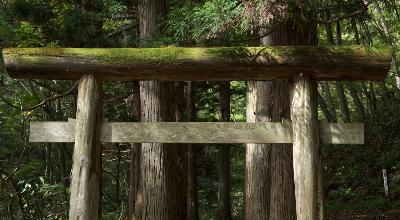
Day 5: Shinkansen/Limited Express to Aomori. Nebuta Warasse Museum. Hirosaki Castle afternoon. Day 6: Full-day Osorezan excursion (bus from Mutsu, 2hr). The volcanic caldera, the sulphur vents, the blue lake, the red torii. If timing aligns with a festival (July/Oct/Nov), witness an Itako medium session.

NEBUTA WARASSEHIROSAKI CASTLEOSOREZANITAKO MEDIUM
07–08

AKITA — NAMAHAGE + NYŪTŌ

Day 7: Train to Akita. Bus to Oga Peninsula for the Namahage Museum (year-round demon ceremony demonstrations). Kakunodate samurai town. Day 8: Nyūtō Onsen — stay at Tsuru-no-yu or Tsurunoyu Bekkan for full forest ryokan experience. Kiritanpo nabe dinner.

OGA NAMAHAGE MUSEUMKAKUNODATENYŪTŌ ONSEN
09–10

YAMAGATA + FUKUSHIMA → RETURN

Day 9: Shinkansen south to Yamagata. Yamadera at dawn. Sake tasting at Dewazakura. Zao Onsen night. Day 10: Optional Fukushima: Aizu-Wakamatsu (Tsurugajō Castle, Ouchijuku) or Miharu Takizakura (spring) — then Shinkansen back to Tokyo. Total: 10 days, all 6 prefectures.

YAMADERA DAWNZAO ONSENAIZU CASTLEOUCHIJUKUTOKYO RETURN
01

ARRIVE SENDAI → URAKASUMI

Shinkansen to Sendai. Afternoon: Visit Urakasumi Saura Brewery in Shiogama (30 min by train) — one of Japan's most internationally acclaimed breweries with regular tours. Tasting of their Junmai and Zen labels. Return Sendai. Dinner: sake pairing menu at Sendai kaiseki restaurant featuring Tohoku regional producers.

URAKASUMI SAURA BREWERYSAKE PAIRING DINNER
02

AIZU-WAKAMATSU SAKE STREET

Shinkansen + transfer to Aizu-Wakamatsu (2hr from Sendai). Japan's most-awarded sake region. Walk Nanokamachi Street past 6+ active breweries — Suehiro, Aizumusume, Kokken all offer tastings. Visit Tsurugajō Castle. Evening: sake flight at Aizu's oldest sake bar with agedashi tofu and local sansai mountain vegetables.

AIZU SAKE STREETSUEHIRO BREWERYTSURUGAJŌ CASTLE
03

YAMAGATA — HUNT FOR JUYONDAI

Train to Yamagata. The great sake pilgrimage: search Yamagata City's specialized sake shops for Juyondai. Even if unsuccessful (and you often won't be — accept it), the city's sake bar scene is extraordinary. Dewazakura Brewery in Tendo (30 min). Try Juyondai's more accessible sister labels. Dinner: Imoni stew in autumn, hot pot in winter.

YAMAGATA SAKE HUNTDEWAZAKURA BREWERYIMONI STEW (AUTUMN)
04

AKITA — KARIHO + NYŪTŌ

Shinkansen to Akita. Kariho Brewery in Daisen (1hr by car/bus) — their super-dry Rokubai is the definition of Akita sake character. Sake museum in Akita City. Afternoon bus to Nyūtō Onsen — stay overnight in the forest ryokan. Kaiseki dinner: sake from every Tohoku prefecture, paired with seven courses of mountain and sea cuisine.

KARIHO BREWERYAKITA SAKE MUSEUMNYŪTŌ KAISEKI
05

IWATE NANBU BIJIN + RETURN

Train to Morioka then Ninohe (1hr). Nanbu Bijin Brewery — one of Japan's most internationally focused producers. Tour and tasting of their award-winning junmai daiginjo. Wanko soba challenge in Morioka before the Shinkansen back to Tokyo. Final omiyage: a selection of all Tohoku sake labels purchased at Morioka Station sake shop.

NANBU BIJIN BREWERYWANKO SOBA FAREWELLMORIOKA SAKE SHOP

🌡️ TEMP CONVERTER

−5°C
= 23°F
❄️ Typical Zao ski day
09

PRACTICAL INFO

EVERYTHING YOU NEED BEFORE YOU BOOK

🚄 GETTING AROUND

ROUTEMETHODTIMECOSTNOTES
Tokyo → SendaiHayabusa Shinkansen1h 30m~¥11,000Fastest gateway to Tohoku
Tokyo → AomoriHayabusa Shinkansen3h 10m~¥17,000Direct, no transfer
Tokyo → AkitaKomachi Shinkansen3h 45m~¥17,500Splits from Hayabusa at Morioka
Sendai → MatsushimaJR Senseki Line40 min¥420Matsushima-Kaigan Station
Sendai → YamagataYamagata Shinkansen40 min¥2,500Mini-Shinkansen (narrower)
Yamagata → Zao OnsenBus from Yamagata St.40 min¥1,000Seasonal ski buses also available
Aomori → HirosakiJR Ōu Main Line35 min¥680Frequent service
Akita → KakunodateKomachi Shinkansen45 min¥2,190Worth it for the time saving
Within TohokuRental car¥5,000–¥10,000/dayEssential for Sanriku Coast + Osorezan
JR EAST PASSUnlimited Tohoku JR¥20,000 (5 days)Best value for multi-pref trip
🌡️
WHAT TO PACK
  • Winter: minimum 3 layers — thermal base, fleece mid, waterproof shell. Tohoku winters are severe especially on Japan Sea coast
  • Waterproof snow boots (Oct–Apr in Aomori/Yamagata)
  • Hand warmers (kairo) — sold everywhere ¥100
  • Compact umbrella — spring rain is frequent
  • Festival week: reserve yukata rental at accommodation if joining haneto dancing
💴
MONEY & PAYMENTS
  • Rural Tohoku is heavily cash-based — carry yen constantly
  • 7-Eleven ATMs accept all international cards reliably
  • IC Card (Suica) works on Sendai subway and major trains
  • Sake brewery tours often cash-only — bring small bills
  • Budget ¥10,000–¥20,000/day including accommodation
  • Ryokan typically require deposits at booking — plan ahead
🚗
DRIVING TIPS
  • International Driving Permit required — get before departure
  • Drive on the LEFT — car rental includes winter tyres Nov–Apr
  • Mountain roads close without warning in winter storms
  • Sanriku Coast and Osorezan require a car — no adequate public transport
  • Deer crossing frequent at dawn/dusk — reduce speed dramatically
🏨
ACCOMMODATION TYPES
  • Onsen ryokan: the defining Tohoku experience — from ¥15,000/night with dinner
  • Tsuru-no-yu (Nyūtō): book 6 months ahead minimum — fills immediately
  • Business hotel in Sendai/Aomori: clean, ¥6,000–¥10,000/night
  • Festival weeks (early August): book everything 6+ months ahead
  • Minshuku (family guesthouses) in fishing villages from ¥8,000/night
📱
CONNECTIVITY
  • eSIM or Pocket WiFi from airport on arrival — essential in rural areas
  • JR East app for train bookings and seat reservations
  • Google Maps works for routing; use Japan offline maps as backup
  • Tabelog app for restaurant discovery and local ratings
  • Osorezan and Nyūtō have NO signal — plan accordingly
⚠️
IMPORTANT NOTES
  • Zao onsen (pH 1.2) corrodes metal — remove all jewellery before bathing
  • Bear country: carry bells in all mountain hiking (Dewa Sanzan, Hakkōda)
  • 2011 Sanriku memorial sites — visit with respect and awareness
  • Osorezan is only open during festival periods — confirm dates before going
  • Festival costume rental (haneto) books out weeks ahead in Aomori

💴 TRIP BUDGET ESTIMATOR

¥72,500
SELECT YOUR CURRENCY ABOVE TO SEE CONVERSION

🗣️ ESSENTIAL JAPANESE

すみません
SUMIMASEN
Excuse me / Sorry — most useful phrase in Japan
▶ TAP TO COPY
〇〇はどこですか
〇〇 WA DOKO DESU KA
"Where is [X]?" — say place name first
▶ TAP TO COPY
おすすめは?
OSUSUME WA?
"What do you recommend?" — magic in any restaurant
▶ TAP TO COPY
この日本酒をください
KONO NIHONSHU O KUDASAI
"This sake please" — point and say
▶ TAP TO COPY
ありがとうございます
ARIGATOU GOZAIMASU
Thank you (formal) — use constantly
▶ TAP TO COPY
写真を撮ってもいいですか
SHASHIN O TOTTE MO II DESU KA
"May I take a photo?" — always ask first
▶ TAP TO COPY
お会計をお願いします
OKAIKEI O ONEGAISHIMASU
The bill please — or write 計 on your palm
▶ TAP TO COPY
辛くないものをください
KARAKUNAI MONO O KUDASAI
"Something not spicy please"
▶ TAP TO COPY